Implantology 2026: statistics, technologies, and the new logic of growth in dental practice
Implantology in the 21st century has ceased to be a niche area of dentistry, becoming one of the key drivers

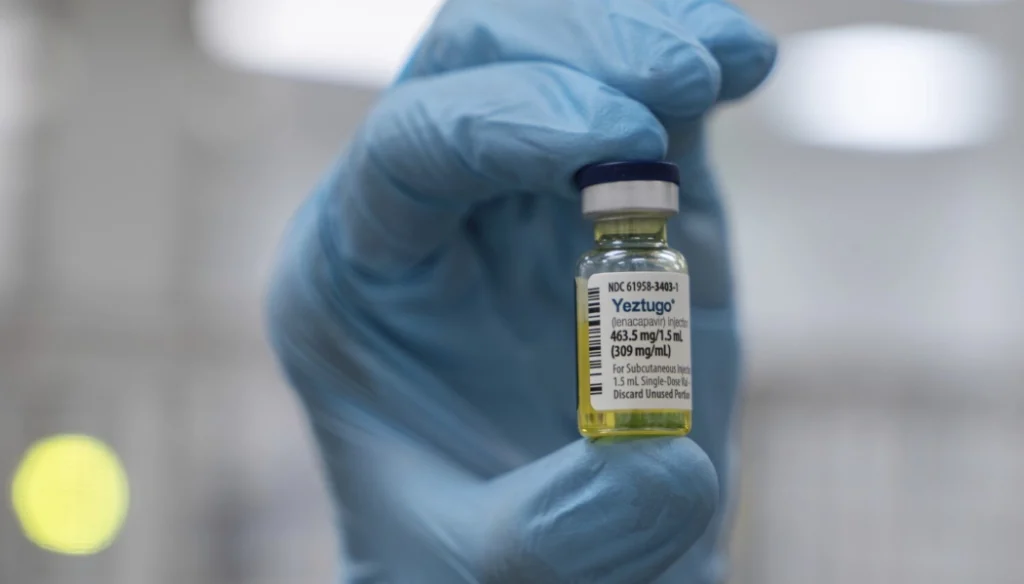
FOSTER CITY, Calif. (BUSINESS WIRE) – Gilead Sciences announced today that the U.S. Food and Drug Administration (FDA) has approved Yeztugo® (lenacapavir), the company’s injectable HIV-1 capsid inhibitor, as pre-exposure prophylaxis (PrEP) to reduce the risk of sexually acquired HIV in adults and adolescents weighing at least 35 kg. This is the first and only twice-yearly option available in the United States for people who need or want PrEP. Data show that ≥99.9% of participants receiving Yeztugo in the phase 3 PURPOSE 1 and PURPOSE 2 trials remained HIV-negative.
“This is a historic day in the long-standing fight against HIV. Yeztugo is one of the most important scientific advancements of our time, offering a real opportunity to help end the HIV epidemic,” stated Daniel O’Day, Chairman and CEO of Gilead Sciences. “This medication, which only needs to be taken twice a year and has demonstrated outstanding results in clinical trials, means it could fundamentally change the approach to HIV prevention. Gilead scientists have dedicated their lives to the fight against HIV, and now, with the FDA’s approval of Yeztugo and through collaboration with our numerous partners, we can help turn this goal into reality.”
The first PrEP medication, also developed by Gilead, was approved in the United States in 2012. However, data from the Centers for Disease Control and Prevention (CDC) show that in 2022 (the most recent year for which data are available), only approximately one in three (36%) people in the U.S. who met the CDC’s criteria for PrEP were prescribed it. CDC data indicate that not all population groups in the U.S. are yet utilizing PrEP at levels that could end virus transmission at the population level, with particular gaps among women, Black and Hispanic individuals, and residents of the Southern United States. The data also show that barriers, including issues with adherence, stigma, and low awareness of existing PrEP options—both among healthcare providers and consumers—contribute to this low PrEP usage across various populations. The potential impact of this limited coverage, adherence, and access is underscored by the fact that in 2023, over 100 people were diagnosed with HIV every day in the United States.
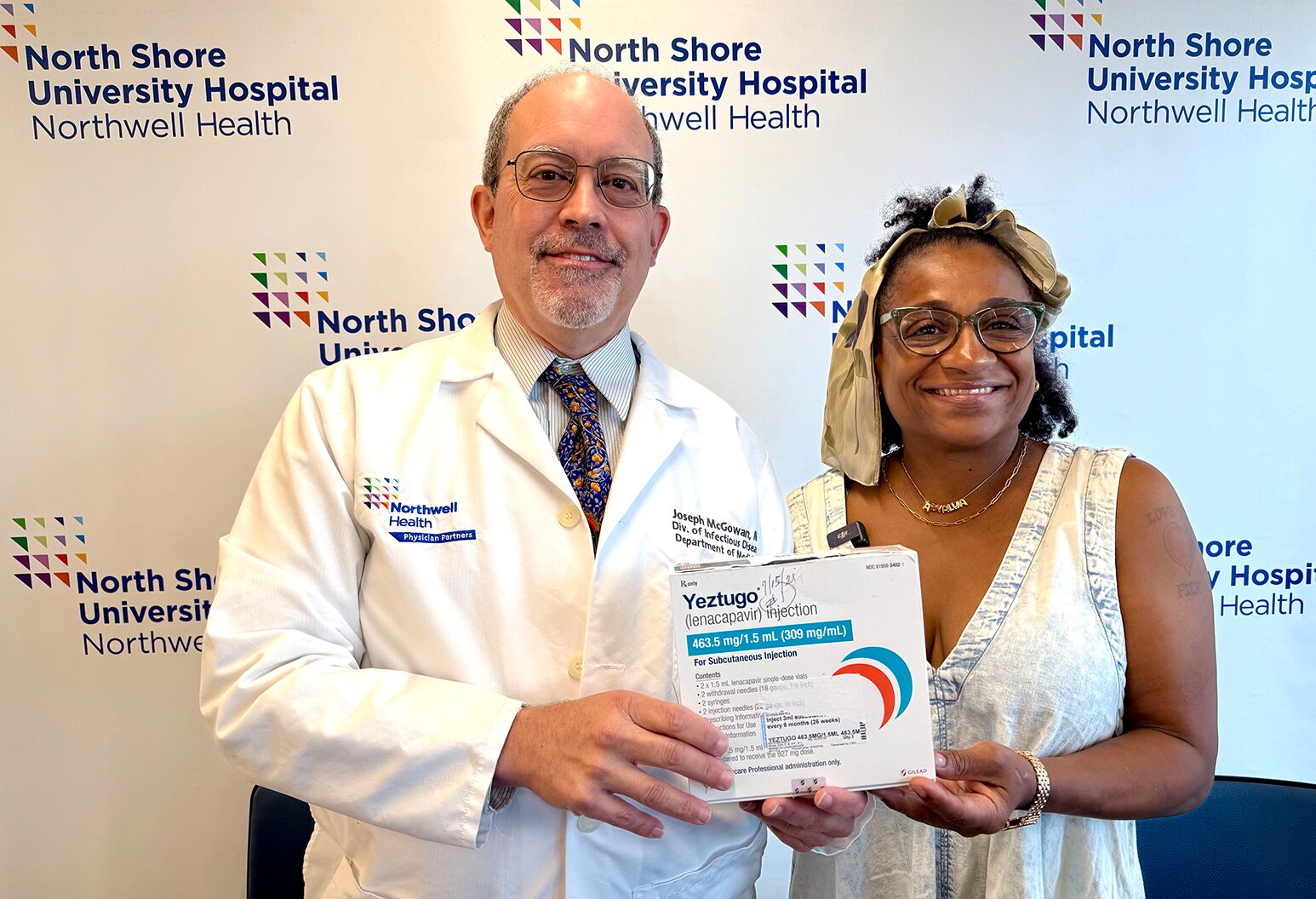
“Yeztugo could be the revolutionary PrEP option we have long been waiting for—it has the potential to increase PrEP uptake and adherence, and become a powerful new tool in our mission to end the HIV epidemic,” said Carlos del Rio, MD, Distinguished Professor of Medicine in the Division of Infectious Diseases at the Emory University School of Medicine and Co-Director of the Emory Center for AIDS Research in Atlanta. “Twice-yearly injections could significantly reduce key barriers such as non-adherence and stigma faced by individuals taking PrEP more frequently, particularly daily oral regimens. We also know from research that many people who need or want PrEP prefer less frequent dosing.”
The approval of Yeztugo by the U.S. Food and Drug Administration (FDA) is supported by the high efficacy and safety profile of the drug, confirmed in two clinical trials.
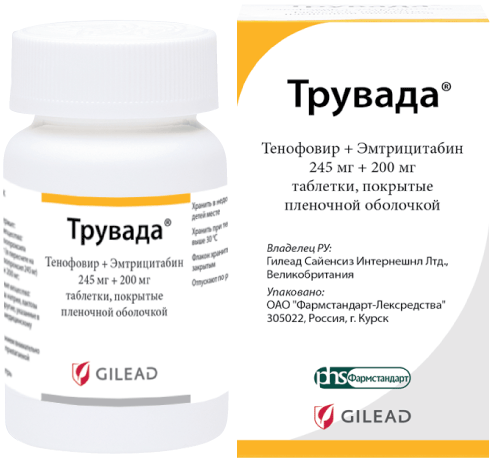
The FDA approval of Gilead’s New Drug Applications (NDA) for Yeztugo was supported by data from the phase 3 PURPOSE 1 and PURPOSE 2 trials conducted by Gilead. In the PURPOSE 1 trial (NCT04994509), primary analysis data showed that subcutaneous administration of Yeztugo twice yearly resulted in zero HIV infections among 2134 participants in the Yeztugo group, representing a 100% reduction in HIV incidence and demonstrating superiority in preventing HIV infections compared to once-daily oral Truvada® (emtricitabine 200 mg and tenofovir disoproxil fumarate 300 mg; F/TDF) in cisgender women in sub-Saharan Africa. In the PURPOSE 2 trial (NCT04925752), there were two HIV infections among 2179 participants in the group receiving subcutaneous Yeztugo twice yearly, showing that 99.9% of participants in the Yeztugo group remained free of HIV and demonstrated superiority in preventing HIV infections compared to once-daily oral Truvada (Truvada is a fixed-dose combination of emtricitabine and tenofovir disoproxil fumarate; the drug Truvada has specific activity against human immunodeficiency virus (HIV-1 and HIV-2) and hepatitis B virus) among a broad and geographically diverse population of cisgender men and transgender individuals. In both studies, Yeztugo also demonstrated superiority in preventing HIV infections compared to the background HIV incidence (bHIV) and was generally well-tolerated, with no significant or new safety concerns identified. Data from both studies were published in The New England Journal of Medicine, and partly based on the trial results, the journal Science named Lenacapavir its “Breakthrough of the Year” for 2024 in December 2024.
The drug Yeztugo received FDA approval through the Priority Review process. Furthermore, in October 2024, Yeztugo was granted “Breakthrough Therapy” designation, which is intended to expedite the development and review of new drugs that may demonstrate substantial improvement over existing treatments.
Gilead’s U.S. access strategy for Yeztugo is designed to ensure broad availability and accessibility for individuals with and without insurance coverage.
In the United States, Gilead is working closely with insurers, healthcare systems, and other payers to ensure broad insurance coverage for Yeztugo. Furthermore, for eligible individuals with commercial insurance, Gilead’s Advancing Access co-pay savings program will reduce out-of-pocket costs to zero.
Gilead is also committed to providing access to Yeztugo for people in the United States who do not have health insurance. The Gilead Advancing Access medication assistance program will provide Yeztugo at no cost to those who are eligible.
Regulatory submissions are currently underway in multiple countries worldwide.
Outside the United States, Gilead is implementing an access strategy developed with the support of international organizations and public health advocates. This strategy prioritizes speed and establishes the most efficient pathways for regulatory review, approval, and access to twice-yearly lenacapavir for PrEP. Gilead has submitted a Marketing Authorization Application (MAA) and an EU-M4all application to the European Medicines Agency (EMA). Both applications have been validated by the EMA and will undergo accelerated assessment. Gilead has also submitted applications for regulatory approval of twice-yearly lenacapavir for PrEP to the authorities in Australia, Brazil, Canada, and South Africa. Furthermore, now that Yeztugo has received FDA approval, Gilead is preparing additional submissions in countries that require FDA approval for their regulatory filings, including Argentina, Mexico, and Peru. Gilead will continue to provide updates on further regulatory submissions.
Lenacapavir for HIV prevention is not approved by any regulatory authority outside the United States.
That is correct. Currently, there is no cure for HIV or AIDS.
The following is the U.S. indication and important safety information for Yeztugo, including a boxed warning.
Lenacapavir is approved in multiple countries for the treatment of multidrug-resistant HIV in adults, in combination with other antiretroviral drugs. Lenacapavir is also approved in the United States for reducing the risk of sexually acquired HIV in adults and adolescents weighing at least 35 kg, who are at risk.
The multi-stage mechanism of action of lenacapavir is distinct from other currently approved classes of antiviral drugs. While most antiviral drugs target only a single stage of viral replication, lenacapavir is designed to inhibit HIV at multiple stages of its life cycle and has no known in vitro cross-resistance to other existing drug classes.
Lenacapavir is being evaluated as a long-acting agent across numerous ongoing and planned early- and late-stage clinical trials within Gilead’s HIV prevention and treatment research program. Lenacapavir is being developed as a backbone for potential future HIV treatment regimens, aiming to create both oral and injectable long-acting options with varying dosing frequencies, in combination or as monotherapy, to help meet the individual needs and preferences of people and communities affected by HIV. The journal Science named lenacapavir its 2024 “Breakthrough of the Year.”
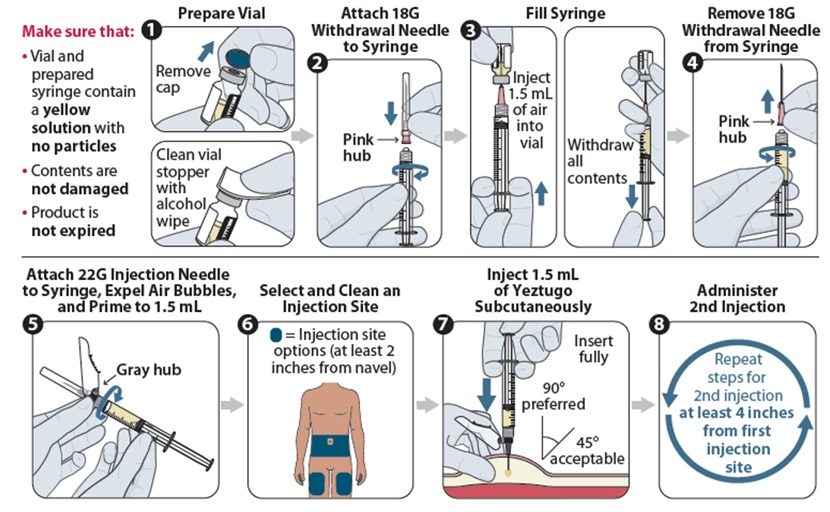
The Yeztugo (lenacapavir) injection, 463.5 mg/1.5 mL, is indicated for pre-exposure prophylaxis (PrEP) to reduce the risk of sexually acquired HIV-1 infection in adults and adolescents (weighing more than 35 kg) who are at risk of HIV-1 infection. A negative HIV-1 test result is required prior to initiating Yeztugo.
WARNING: RISK OF DEVELOPING DRUG RESISTANCE WITH THE USE OF YEZTUGO IN UNDIAGNOSED HIV-1 INFECTION
Comprehensive risk management:
Potential risk of resistance:
Long-acting properties and potential associated risks:
Serious injection site reactions: Improper administration (intradermal injection) may lead to serious injection site reactions, including necrosis and ulceration. Yeztugo is for subcutaneous use only.
For over 35 years, Gilead has been a leading innovator in HIV, driving advancements in treatment, prevention, and cure research. Gilead researchers have developed 13 HIV medications, including the first single-tablet HIV treatment regimen, the first antiretroviral drug for pre-exposure prophylaxis (PrEP) to help reduce new HIV infections, and the first long-acting injectable HIV treatment administered twice yearly. Our achievements in medical research have helped transform HIV into a manageable and preventable chronic condition for millions of people.
Gilead is committed to continuous scientific innovation to provide solutions that address the evolving needs of people affected by HIV worldwide. Through partnerships, collaborations, and philanthropy, the company also strives to enhance education, expand access to healthcare, and remove barriers to care, aiming to end the HIV epidemic for everyone, everywhere. In a report published by Funders Concerned About AIDS, Gilead was recognized as one of the leading funders of HIV-related programs.

Gilead Sciences is a biopharmaceutical company that has been pursuing and achieving medical breakthroughs for over three decades, aiming to create a healthier world for all people. The company is dedicated to developing innovative medicines for the prevention and treatment of life-threatening diseases, including HIV, viral hepatitis, COVID-19, cancer, and inflammatory diseases. Gilead operates in more than 35 countries worldwide, with its headquarters located in Foster City, California.
This press release contains forward-looking statements within the meaning of the Private Securities Litigation Reform Act of 1995, which are subject to risks, uncertainties, and other factors, including Gilead’s ability to initiate, progress, and complete clinical trials within anticipated timelines or at all, as well as the possibility of unfavorable results from ongoing and additional clinical trials, including those involving Yeztugo (lenacapavir) (such as PURPOSE 1 and PURPOSE 2); uncertainties related to regulatory submissions and associated submission and approval timelines, including regulatory submissions for lenacapavir for PrEP, and the risk that any regulatory approvals, if granted, may be subject to significant use limitations or be subject to recall or other adverse actions by the relevant regulatory authority; the possibility that Gilead may make a strategic decision to discontinue the development of lenacapavir for the indications currently under evaluation, and as a result, lenacapavir may never be successfully commercialized for such indications; the risk that physicians may not see the benefits of prescribing Yeztugo for PrEP; Gilead’s ability to effectively manage the access strategy for lenacapavir, subject to obtaining the necessary regulatory approvals; and any assumptions underlying any of the foregoing. These and other risks, uncertainties, and factors are described in detail in Gilead’s Quarterly Report on Form 10-Q for the quarter ended March 31, 2025, filed with the U.S. Securities and Exchange Commission. These risks, uncertainties, and other factors could cause actual results to differ materially from those referred to in the forward-looking statements. All statements other than statements of historical fact are statements that could be deemed forward-looking statements. The reader is cautioned that any such forward-looking statements are not guarantees of future performance and involve risks and uncertainties, and is cautioned not to place undue reliance on these forward-looking statements. All forward-looking statements are based on information currently available to Gilead, and Gilead assumes no obligation and disclaims any intent to update any such forward-looking statements.
Implantology in the 21st century has ceased to be a niche area of dentistry, becoming one of the key drivers
Modern dentistry is unimaginable without high-precision rotary instruments, among which straight and contra-angle handpieces hold a special place. These devices