Main » Uncategorized » Silicone toothbrushes: scoping review and transformation of clinical prevention taking into account environmental sustainability
Silicone toothbrushes: scoping review and transformation of clinical prevention taking into account environmental sustainability
In an era of rapid digitalization and increased attention to sustainability, modern dentistry is developing as one of the most dynamic areas of healthcare, requiring adaptation of preventive tools.
In this context, a review that examined the use of silicone toothbrushes and other silicone oral hygiene aids represents not merely a summary assessment — it is an attempt to critically juxtapose clinical effectiveness, periodontal tissue safety and ecological characteristics to develop reproducible recommendations; the analytical synthesis revealed heterogeneity of the evidence base and an emphasized need for standardization of methods and validation of protocols.
Silicone as a key factor
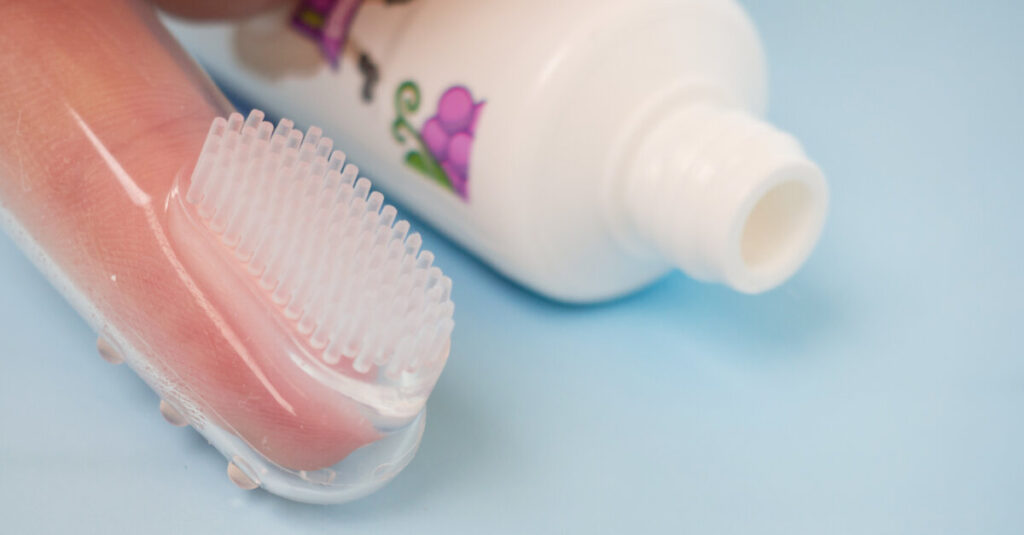
The review demonstrates that silicone functions not only as a material but also as a design element determining the clinical and operational characteristics of devices — from reduction of mechanical abrasion to decreasing the risk of injury to gingival tissues; two controlled clinical trials reported comparable effectiveness of removing supragingival plaque by silicone and nylon brushes in adults and in children, one study indicated improved hygiene outcomes with use of a silicone finger‑brush attachment in adults who previously practiced finger cleaning, which is important for adapting prevention in specific patient groups.
Design and validation: constructive parameters and clinical significance
Constructive parameters
The clinical effectiveness of silicone devices correlates with characteristics such as silicone stiffness, head length, bristle configuration — these parameters affect contact with occlusal and interdental surfaces, distribution of pressure along the gingival margin and the ability to remove biofilm with different cleaning techniques; the softness and flexibility of silicone bristles are described in a number of studies as factors that reduce abrasion and the risk of mechanical periodontal injury, especially in patients with incorrect brushing technique.
Clinical significance and validation requirements
To translate design decisions into clinically justified recommendations, standardization of testing is necessary — uniform outcome measures such as plaque indices, gingival inflammation index, bleeding on probing, measurements of hard tissue abrasion, as well as long observational periods to assess tolerability and long‑term effect; in vitro methods and wear modeling must correlate with clinical outcomes, and validation protocols — include assessment of reuse, effects on the microbial biofilm and material resistance to detergency.
Geography of use and target populations
Data from the review suggest benefits for specific demographic groups: in children silicone tooth and gum brushes demonstrate comparable plaque removal on the occlusal surfaces of partially erupted teeth while simultaneously reducing the risk of mechanical damage during developing motor skills; for elderly patients and individuals with impaired motor function or limited manual dexterity silicone swabs and optimized designs may provide a gentler and more convenient alternative, improving compliance and enabling personalization of preventive strategies.
The environment as a strategic platform
Environmental aspects are brought to the forefront in the review: a life cycle assessment identified that products with silicone bristles and a polypropylene body may have lower environmental impacts compared with equivalent nylon models, while a combination of silicone bristles with lightweight handles and replaceable heads theoretically reduces the carbon footprint of use — an important factor for developing sustainable dentistry within healthcare systems and among conscious consumers.
From pilot data to implementation: challenges and pathways
The transition from preliminary results to clinical recommendations requires conducting randomized controlled trials with adequate power and multicenter design, implementation of international standards for testing — including assessment of microbial contamination, ease of cleaning and sterilization in home conditions, effectiveness with dry and wet cleaning, as well as integration of economic and environmental analyses; key stakeholders — research centers, industry, donors and global health organizations — should collaborate to create prototypes, organize transnational pilot programs and scalable implementation in low‑ and middle‑income countries.
Practical recommendations and research agenda
Given the available evidence it is advisable for clinicians to consider silicone devices as a potentially useful tool for specific patients — children, individuals with increased periodontal sensitivity, patients with limited manual function — provided they are informed about the current limitations of the evidence base; for researchers it is recommended to standardize outcomes, include objective clinical markers (plaque index, gingival index, bleeding on probing), biomechanical measurements of abrasion, microbiological tests and assessment of patient acceptability, and additionally to conduct economic evaluation and LCA to support sustainable solutions.
Conclusion
The scoping review confirms the potential of silicone as a component of preventive oral care products, capable of providing gentler, adaptable and potentially environmentally justified solutions provided further standardization of methods and rigorous clinical research are conducted; integration of findings into practice will require interdisciplinary cooperation, unification of assessment methods and orientation to the needs of target populations.
Modern dentistry is developing as one of the most dynamic fields of medicine, rapidly integrating digital technologies and interdisciplinary approaches.
We use cookies to improve website performance, analyze traffic, and personalize content. You can accept all cookies or customize their use. Learn more in our Cookie Policy.
Functional
Always active
Technical storage or access is strictly necessary for the legitimate purpose of making possible the use of a particular service expressly requested by the subscriber or user, or solely for the purpose of carrying out the transmission of a message over an electronic communications network.
Preferences
The technical storage or access is necessary for the legitimate purpose of storing preferences that are not requested by the subscriber or user.
Statistics
Technical storage or access used solely for statistical purposes.The technical storage or access that is used exclusively for anonymous statistical purposes. Without a subpoena, voluntary compliance on the part of your Internet Service Provider, or additional records from a third party, information stored or retrieved for this purpose alone cannot usually be used to identify you.
Marketing
Technical storage or access is necessary to create user profiles for the purpose of sending advertising or to track a user across a website or multiple websites for similar marketing purposes.