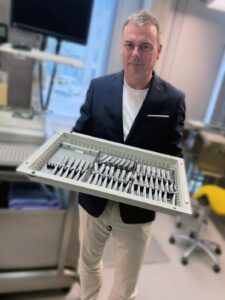
Terri L. Alani, DDS — a cosmetic dentist from Houston known by the pseudonym “Texas Tooth Lady” — will appear on the ABC show The Golden Bachelor (season premiere September 24).
Information about Dr. Alani’s professional profile and media activity has been published in Dimensions of Dental Hygiene and in a news article from UTHealth Houston School of Dentistry.
Methodology
The material is compiled from open sources: a publication on the Dimensions of Dental Hygiene website and a press release/news item from the UTHealth Houston School of Den
Results (facts)
Qualification and education
Terri L. Alani, DDS is a certified dentist and graduate of UTHealth Houston School of Dentistry, specializing in aesthetic (cosmetic) dentistry.
Clinical experience
- Work experience: over 40 years of clinical practice.
- Key procedures: veneers, teeth whitening, and other methods of aesthetic dental restoration.
Public and professional activity
- Hosts a radio show and gives national lectures.
- Has a significant social media presence (claims “millions of views”).
- Held leadership positions in the Greater Houston Dental Society and the Texas Dental Association.
Personal
Described as an active person with an interest in travel, fitness, and photography; the biography mentions solo trips, childhood training in ventriloquism, and participating in a “polar plunge” in Antarctica.
Television project
Dr. Alani is one of 23 contestants vying for the attention of Mel Owens. The second season of The Golden Bachelor premieres Tuesday, September 24 on ABC.
Relevance to practice
For dental clinicians, this case is of interest as an example of integrating professional practice into mass media. Below are practical considerations and recommendations.
Potential positive effects
- Increased public interest in aesthetic dentistry and a potential rise in patient awareness of available techniques (veneers, whitening, restorations).
- Expanding communication channels: radio, social media, and public speaking as tools for patient education and managing unrealistic expectations.
- Enhanced reputation: an active role in professional associations fosters trust and increases the specialist’s visibility in the region.
Risks and caveats:
- Managing patient expectations: publicity can lead to an increase in requests for aesthetic interventions; it is crucial to maintain standards of informed consent and realistic presentation of results (clear before/after photos, disclosure of procedure limitations).
- Ethical and legal aspects of advertising: compliance with local and national requirements for medical advertising, transparency regarding results and complications.
- Confidentiality and professional boundaries: when working with patients who reach you through the media, it is essential to maintain the same standards of confidentiality and clinical objectivity.
- Reputational risks: participation in entertainment projects can be perceived differently by colleagues and patients; it is advisable to develop a communication strategy in advance.
Practical Recommendations for Dentists
When using media platforms, it is recommended to:
- Clearly articulate educational messages: explain the indications, contraindications, and potential complications of aesthetic procedures.
- Maintain professional standards in visual content: avoid retouching and misrepresentation of results; when publishing before/after photos, ensure consistent shooting conditions.
- Document informed consent and clinical indications when patient flow increases following media exposure.
- Coordinate PR activities with colleagues and the clinic’s legal department to ensure compliance with regulations and corporate policy.
Conclusion
The case of Dr. Alani illustrates how clinicians in aesthetic dentistry can increase the profession’s visibility through mass media. At the same time, it is crucial to maintain clinical rigor, ethical communication, and compliance with advertising regulations to ensure that media activity serves to educate patients rather than create unrealistic expectations.