
Intraoral Scanning in Dental Education: Qualitative Analysis and Integration of Digital Tools in Clinical Training

The integration of digital technologies into dental clinics is progressing rapidly; however, the question of how effectively they work in student training systems remains open. A new study by British specialists fills this gap with concrete data on the possibilities and pitfalls.

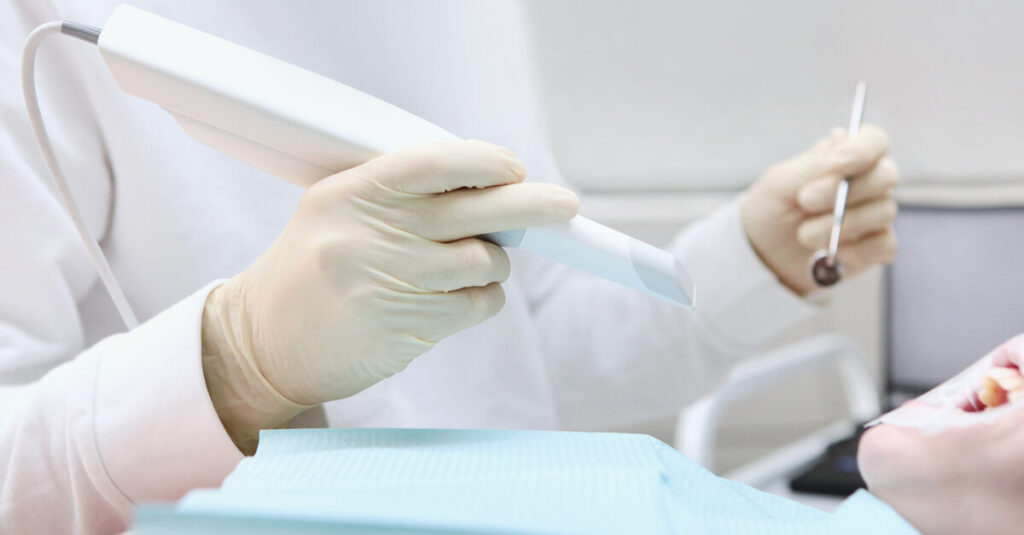
Scientists from Peninsula Dental School in south-west England conducted a qualitative study by interviewing 15 students of the Bachelor of Dental Surgery program and six clinical supervisors about their experience using intraoral scanning in clinical classes.

What the study showed

Participants noted that the technology significantly facilitates learning: students perceived it as a tool reducing stress, improving visualization of clinical cases, and enhancing communication quality with patients. Supervisors regarded intraoral scanning as an important element of preparation for modern dental practice.

At the same time, the study revealed serious obstacles: lack of equipment, limited access to scanners, problems with equipment reliability, insufficient integration with IT systems, and uneven preparation of instructors.

Balance of digital and traditional methods in education

The key conclusion of the study is that digital methods should not displace the teaching of traditional techniques. Graduates remain obligated to master analog approaches when they are clinically justified.

Successful implementation of intraoral scanning in the educational curriculum requires three conditions: proper infrastructure, staff training, and equitable student access to equipment. The study was published in the journal BDJ Open.

Source

Original publication

Leave a Reply

Your email address will not be published. Required fields are marked *

Other news

Subscription to thousands of useful articles, 600 lessons, reviews & ratings

Subscribe to the newsletter

More news in our Telegram!

Congratulations!
You have successfully registered