Main » Reviews and ratings » Anchorage Dental Community commits to providing free dental care amid reductions in government funding
Anchorage Dental Community commits to providing free dental care amid reductions in government funding
In Anchorage, Alaska, a Community Dental Day was held, during which private practices, together with volunteers and a non-profit organization, provided free dental care to approximately 35 uninsured patients. The event was initiated by Libby Dental Group in partnership with Anchorage Project Access, with the procedures ranging from extractions to prosthetics.
Organization and resource base
The event demonstrates a model of cross-sector collaboration between private practice and the non-profit sector to expand access to basic dental care.
Initiator: Libby Dental Group (coordination of clinical work and logistics).
Partners: Anchorage Project Access — a network of patient coordinators and over 825 volunteer providers in dentistry, medicine, and behavioral health.
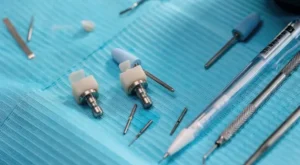
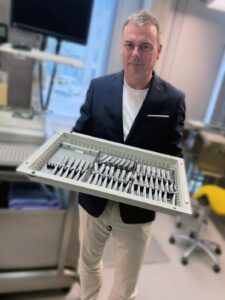
Resources: mobile units/operatories, extraction kits, restorative materials, impression-taking and removable prosthesis fabrication kits, anesthetics, and basic resuscitation equipment.
Services provided
The day’s program included standard primary and restorative care procedures focused on rapidly alleviating pain and restoring function.
Tooth extractions (including complex removals for acute pain and infected foci);
Restorations (amputoplasty, composite fillings for crown restoration);
Fabrication and fitting of removable prostheses (temporary and definitive complete/partial dentures — dental terminology: dentures);
Periodontal therapy (professional hygiene, scaling, and supportive therapy planning);
Preventive measures and primary oral sanitation, motivation, and hygiene education.
Clinical and social aspects
For a number of patients, the one-time care addressed issues of acute pain, difficulty eating, speech impairment, and aesthetics, which directly impact quality of life and social adaptation.
Clinical observations
Advanced carious lesions, destroyed crowns, and partial/complete edentulism with prolonged lack of care were frequently observed. The performed surgical interventions and prosthetic work improved masticatory function and eliminated sources of chronic pain.
Social impact
The restoration of masticatory function and improvement of facial aesthetics through removable prosthetics positively impacted patients’ self-esteem and their ability to engage in work and social activities.
Demand dynamics and staffing needs
Anchorage Project Access reports a doubling in demand for services over the past year; against the backdrop of potential Medicaid funding cuts, a further increase in the flow of uninsured patients is expected.
The increasing workload requires expanding the volunteer network and attracting additional clinical staff (dentists, assistants, hygienists, lab technicians).
Logistics planning, optimization of triage processes, and sustainable pathways for subsequent conservative and prosthetic rehabilitation of patients are required.
Significance for clinical practice
Such initiatives underscore the role of private dental practice within the public health system as a provider of critically essential basic care for vulnerable groups.
Operational conclusions and recommendations
Triage and patient selection: establish priorities based on acute pain, infection, risk of systemic complications, and functional deficit.
Documentation and consent: ensure adequate medical records, informed consent, and a follow-up treatment plan; include referrals for subsequent care.
Prosthetic rehabilitation: for immediate prosthetic solutions — inform the patient about the need for adjustments, adaptation, and potential replacement after tissue stabilization; plan post-rehabilitation monitoring.
Infection control and safety: adhere to standard aseptic measures, have pathways for emergency care, and ensure adequate anesthesia/analgesia.
Staffing flexibility: develop a pool of volunteers with diverse qualifications and establish partnerships with laboratories to expedite prosthesis fabrication.
Data collection and outcome assessment: record clinical results and patient satisfaction to justify further funding and program scaling.
Expert opinion
One-day events are effective for addressing acute dental pathology and initial rehabilitation but do not replace systemic, continuous dental care and follow-up. In the context of potential Medicaid cuts, it is crucial to combine volunteer initiatives with advocacy for funding, the development of sustained care networks, and the organization of referral protocols.
Modern dentistry is unimaginable without high-precision rotary instruments, among which straight and contra-angle handpieces hold a special place. These devices
We use cookies to improve website performance, analyze traffic, and personalize content. You can accept all cookies or customize their use. Learn more in our Cookie Policy.
Functional
Always active
Technical storage or access is strictly necessary for the legitimate purpose of making possible the use of a particular service expressly requested by the subscriber or user, or solely for the purpose of carrying out the transmission of a message over an electronic communications network.
Preferences
The technical storage or access is necessary for the legitimate purpose of storing preferences that are not requested by the subscriber or user.
Statistics
Technical storage or access used solely for statistical purposes.The technical storage or access that is used exclusively for anonymous statistical purposes. Without a subpoena, voluntary compliance on the part of your Internet Service Provider, or additional records from a third party, information stored or retrieved for this purpose alone cannot usually be used to identify you.
Marketing
Technical storage or access is necessary to create user profiles for the purpose of sending advertising or to track a user across a website or multiple websites for similar marketing purposes.