Main » Scientific articles » Digital splints and biofeedback: 8 randomized studies and transformation of clinical predictability
Digital splints and biofeedback: 8 randomized studies and transformation of clinical predictability
In the era of rapid digitalization, dentistry continues to demonstrate an intensive transformation related to the implementation of digital workflows and sensor technologies, forming new clinical protocols.
The key factor of progress becomes not only the development of hardware and software solutions, but also the effective translation of clinically validated data and standards into daily practice, ensuring predictability of treatment and reproducibility of outcomes in patients with bruxism.
Technology as a tool
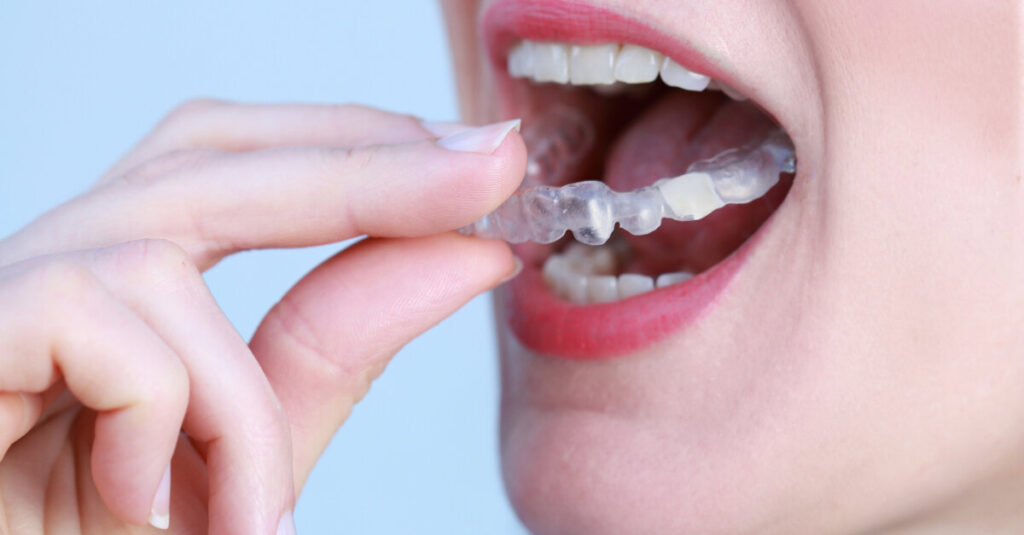
Digital and sensor splints are regarded not as a simple modification of an orthopedic appliance, but as a component of an integrated monitoring and feedback system — a platform for personalized therapy; the role of CAD/CAM-manufacturing lies in achieving high accuracy of fit, controlled thickness and a reproducible occlusal surface, which reduces the variability of inter-study and clinical results.
Functions and potential of sensorics
The integration of sensors for recording occlusal forces and articulatory loads, synchronization with EMG signals and biofeedback algorithms allows not only monitoring of masticatory muscle activity, but also implementation of behavioral correction strategies — dynamic load control, immediate feedback during episodes of clenching; this creates prerequisites for an objective assessment of intervention effectiveness and further validation of protocols.
Validation and standardization: evidence base
The systematic review included eight randomized controlled trials, which reflects the stage of early diffusion of technologies and the formation of a research paradigm; most studies demonstrated a tendency toward improvement of clinical outcomes — reduction of symptom severity, decrease of pain syndrome and episode frequency — however a substantial portion of differences did not reach statistical significance, underscoring the limitations of the current evidence base.
Of particular clinical significance is the study with intraoral vibrational biofeedback, which recorded a significant reduction in the frequency and duration of sleep episodes compared with a traditional splint; at the same time high heterogeneity was noted in splint design, inclusion criteria, assessment methods (self-recording, EMG, polysomnography) and sample sizes — factors that impede meta-analysis and international standardization of baseline measures.
Practice as a new reality
Digital fabrication of splinting devices provides consistently high fit and, with correct selection of material and technological process, improved durability and adhesive characteristics; this increases the predictability of the clinical outcome and lowers barriers to implementation in daily practice, but requires from the clinician knowledge in digital prototyping and interdisciplinary coordination with laboratories and engineers.
Clinical recommendations and integration
When choosing a treatment strategy one should consider: the nature of bruxism (night/day), the presence of concomitant myalgia or TMJ dysfunction, objective indicators of muscle activity (EMG), polysomnography data when necessary, as well as the cost and trainability of the patient — a combined approach using a digital splint for support and biofeedback for behavior correction appears promising, but requires protocolized evaluation of effectiveness within clinical registries and large RCTs.
Chennai as a strategic platform
The publication of the review by scientists from Chennai and the appearance of the article in BDJ Open 8 мая 2026 года emphasize the transnational nature of research in digital dentistry and indicate that data from different regions are shaping a global ecosystem of innovation; the considerable variability of methodologies in studies highlights the need for international cooperation to unify assessment methods and develop reproducible clinical protocols.
Conclusion-summary
The review “Comparison of digital splints versus traditional splints for bruxism management” confirms that digital splints and biofeedback represent promising tools in the dentist’s arsenal when working with patients with bruxism, however the current evidence base is limited in volume and homogeneity; large multicenter RCTs with unified baseline measures — frequency and duration of episodes, EMG amplitude, subjective pain assessments by VAS and quality of life — are required to develop clinical recommendations and standards.
A prospective population-based cohort study examined for the first time the relationship between early childhood systemic inflammatory response and the
We use cookies to improve website performance, analyze traffic, and personalize content. You can accept all cookies or customize their use. Learn more in our Cookie Policy.
Functional
Always active
Technical storage or access is strictly necessary for the legitimate purpose of making possible the use of a particular service expressly requested by the subscriber or user, or solely for the purpose of carrying out the transmission of a message over an electronic communications network.
Preferences
The technical storage or access is necessary for the legitimate purpose of storing preferences that are not requested by the subscriber or user.
Statistics
Technical storage or access used solely for statistical purposes.The technical storage or access that is used exclusively for anonymous statistical purposes. Without a subpoena, voluntary compliance on the part of your Internet Service Provider, or additional records from a third party, information stored or retrieved for this purpose alone cannot usually be used to identify you.
Marketing
Technical storage or access is necessary to create user profiles for the purpose of sending advertising or to track a user across a website or multiple websites for similar marketing purposes.