Main » The life of a doctor » The legacy of preventive dentistry: 24 years of the Give Kids A Smile program as a model of social responsibility and accessibility of medical care
The legacy of preventive dentistry: 24 years of the Give Kids A Smile program as a model of social responsibility and accessibility of medical care
In the context of persistent inequality in access to medical care, initiatives aimed at supporting socially vulnerable groups of the population acquire particular importance. In dentistry, this problem manifests itself especially acutely, as a significant part of preventive and treatment services for children remains inaccessible without specialized support programs. Against this backdrop, international charitable projects become an important tool for reducing barriers and forming a health culture from an early age.
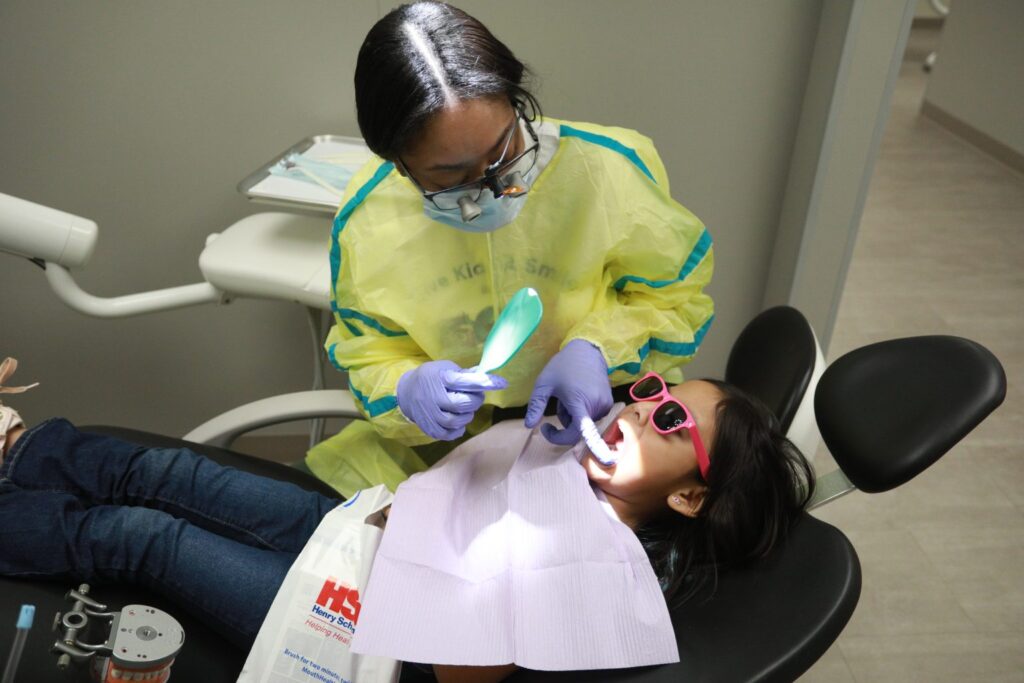
The publication under consideration is dedicated to the 24th anniversary of the Give Kids A Smile program — one of the largest initiatives in the field of pediatric dentistry, aimed at providing access to free care and increasing the level of dental literacy among children. Over the years of its existence, the program has transformed from a local initiative into a broad international movement, uniting the professional community, educational institutions, and commercial organizations.
Historical development and scale of the program
The Give Kids A Smile program was initiated in the early 2000s as a response to the problem of limited access of children to dental care. Already in the early stages of its implementation, it became obvious that this was not just a one-time charitable event, but the formation of a sustainable model of interaction between the medical community and society. Since its national launch in 2003, the program has provided free treatment and preventive services to millions of children, becoming the largest initiative of its kind.
According to available data, hundreds of thousands of children receive care annually within the framework of the program, and thousands of dentists and tens of thousands of medical staff representatives participate in its implementation. Such a scale indicates a high degree of involvement of the professional community and the sustainability of an organizational model based on volunteering and cross-sectoral partnership.
Social mission and significance for public health
The key task of the program is not only to provide direct medical care but also to raise awareness about the importance of oral hygiene. As part of the events, children are provided with educational materials, preventive training is conducted, and basic dental care skills are formed. Such a comprehensive approach allows influencing not only the current state of health but also long-term behavioral attitudes.
Special attention is paid to children from socially disadvantaged families, for whom access to dental services is often limited. In this context, the program performs an important function of social compensation, reducing the level of inequality and contributing to the formation of a more equitable healthcare system. As emphasized in a number of sources, the initiative is aimed at ensuring “access to quality dental care for all children,” which reflects its fundamental humanitarian mission.
The role of the professional community and volunteerism
One of the key success factors of Give Kids A Smile is the active participation of dentists, students, and representatives of related professions. The program demonstrates a high level of professional solidarity, within which specialists voluntarily provide their knowledge and time to help children.
According to estimates, thousands of dentists and tens of thousands of dental team members participate annually in the implementation of the initiative, providing preventive examinations, diagnostic procedures, and therapeutic interventions. Such a model of interaction contributes not only to expanding access to care but also to strengthening professional identity based on the principles of social responsibility.
Partnership with industry and program sustainability
An important role in the development of the program is played by cooperation with large companies in the dental industry, which ensure the supply of necessary materials and equipment. Support from manufacturers makes it possible to significantly expand the reach of the program and improve the quality of the services provided.
Partner companies provide consumables, hygiene products, and educational resources, making it possible to hold large-scale events without a significant financial burden on medical institutions. This model of public-private partnership demonstrates the effectiveness of integrating business into the public health system.
Evolution of the program and adaptation to modern conditions
Over its 24 years of existence, the program has undergone significant evolution, adapting to changing conditions and new challenges. The expansion of geography, the introduction of digital tools, and the development of educational components have allowed for increasing its effectiveness and sustainability.
Of particular importance is the program’s ability to adapt to global crises, including pandemic restrictions, within which new formats of interaction with patients were developed, including distance learning and digital resources. This indicates the high flexibility of the organizational model and its ability for further development.
Relevance and prospects for development
The relevance of the Give Kids A Smile program is driven by the persistent problem of unequal access to dental care, especially among children. Despite significant achievements, millions of children still face a lack of timely treatment, which leads to the development of chronic diseases and a deterioration in quality of life.
In this context, the further development of such initiatives becomes a strategically important direction for the healthcare system. Expanding coverage, integrating new technologies, and strengthening the educational component can contribute to the formation of a more sustainable and effective model of preventive dentistry.
Conclusion
Thus, the 24-year history of the Give Kids A Smile program represents an example of the successful implementation of a social initiative based on the interaction of the professional community, business, and society. The presented material demonstrates that a systematic approach to prevention and early treatment can significantly reduce the level of dental disease among children and increase the availability of medical care.
The relevance of this topic is determined by the need to form sustainable public health models focused on prevention and equal access to medical services. The Give Kids A Smile program confirms that combining the efforts of various participants in the system can lead to significant social and medical outcomes, forming the foundation for a healthier future for the younger generation.
We use cookies to improve website performance, analyze traffic, and personalize content. You can accept all cookies or customize their use. Learn more in our Cookie Policy.
Functional
Always active
Technical storage or access is strictly necessary for the legitimate purpose of making possible the use of a particular service expressly requested by the subscriber or user, or solely for the purpose of carrying out the transmission of a message over an electronic communications network.
Preferences
The technical storage or access is necessary for the legitimate purpose of storing preferences that are not requested by the subscriber or user.
Statistics
Technical storage or access used solely for statistical purposes.The technical storage or access that is used exclusively for anonymous statistical purposes. Without a subpoena, voluntary compliance on the part of your Internet Service Provider, or additional records from a third party, information stored or retrieved for this purpose alone cannot usually be used to identify you.
Marketing
Technical storage or access is necessary to create user profiles for the purpose of sending advertising or to track a user across a website or multiple websites for similar marketing purposes.