Main » Uncategorized » Thailand’s regulation of custom-made dental devices: simplification of requirements for risk classes 2–4 and transformation of the regulatory paradigm
Thailand’s regulation of custom-made dental devices: simplification of requirements for risk classes 2–4 and transformation of the regulatory paradigm
The medical devices sector, including dentistry, is undergoing a period of active transformation characterized by increasing digitalization and a reevaluation of regulatory practices.
The Thai FDA has simplified the technical documentation requirements for custom-made dental devices, allowing verification of source materials and the history of material use instead of full-format reporting for each finished device; this change applies to risk classes 2–4 and is intended to reduce the documentation burden while maintaining clinical safety.
Regulatory changes: essence and requirements
The regulator’s decision emphasizes that documentary confirmation of the origin and quality of materials can replace separate elements of reporting for the finished device provided there is evidence of reproducibility and safety of the manufacturing process; the assessment takes into account evidence of authorization or approval of the raw materials by foreign regulators, data from material safety data sheets (MSDS), certificates of analysis, as well as declarations of long-term material use and assertions that no previously uninvestigated technological process is employed and that the manufacturing process does not affect the safety or performance of the material.
Key elements of the evidence base
The elements of the evidence base include: information on the origin of materials and their acceptance by foreign regulators, safety data sheets, certificates of analysis, documented cases of clinical use history in dentistry, validation of the manufacturing process and stability assessments, quality control protocols, declarations on the non-use of new technological processes; the regulator emphasizes the importance of standardized and verifiable documentation to increase the predictability of clinical outcomes and simplify verification procedures.
Materials and clinical relevance
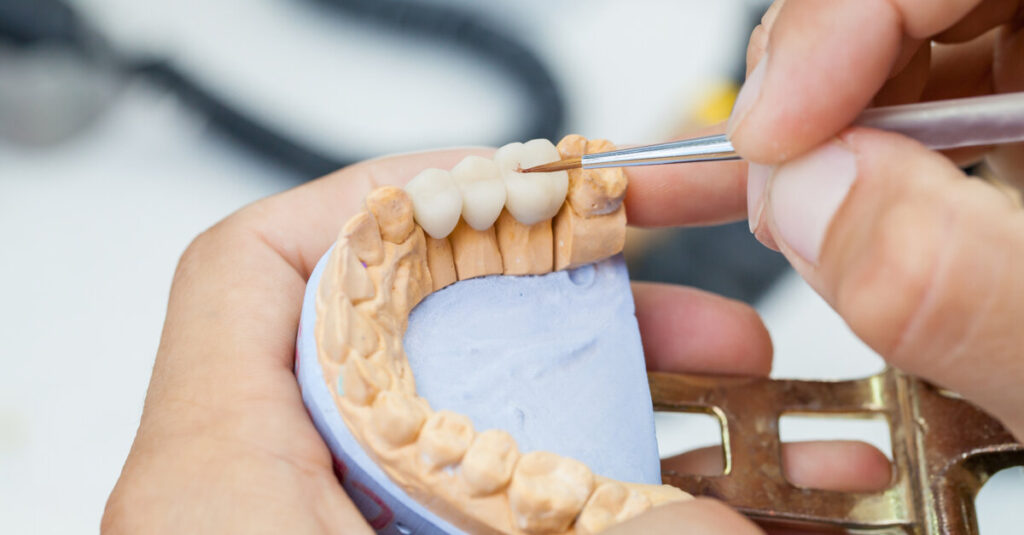
The text highlights groups of materials used in prosthetics and restorative dentistry: ceramics based on zirconia and lithium disilicate, powdered feldspathic and hybrid ceramic systems, titanium alloys and cobalt–chromium alloys, as well as polymers — PMMA, PEMA, hybrid resins and polycarbonate materials; documenting the history of clinical use of these materials helps justify the proportionality of technical documentation requirements and accelerates clinical and laboratory integration of proven solutions.
Practical significance for clinical and laboratory practice
For dental laboratories, clinics and manufacturers, the simplification of requirements should lead to a reduction in administrative time for registering custom-made devices, to more predictable validation algorithms for CAD/CAM and additive technologies, to a clearer delineation of responsibilities between the material supplier, the laboratory and the clinical user; key priorities remain batch traceability of materials, validation of technological processes, ensuring biocompatibility and a post-market surveillance system for timely detection and management of risks.
Impact on digital dentistry and laboratory chains
In the context of expanding digital protocols — digital scanning, CAD/CAM processing, 3D printing and anatomically complete milling — easing documentary requirements should contribute to faster adoption of reproducible material processing protocols, standardization of milling parameters and thermal treatment of ceramics, as well as strengthening requirements for incoming material quality control and conformance tests of finished restorations.
Recommendations for manufacturers, importers and clinics
Practical recommendations include: systematization of material and batch traceability, maintaining detailed technical files with data on physicochemical properties and biocompatibility, verification of conformity with international standards (for example, ISO 13485, ISO 10993‑1 and sector-specific standards for dental materials), documentation of validation of manufacturing processes and processing parameters, organization of post-market surveillance and adverse event response procedures, collaboration with competent consultants and laboratories to confirm analytical data and substantiate clinical reproducibility.
Comparative context: Europe and global trends
The Thai initiative correlates with the global discussion on the proportionality of regulatory requirements — in particular, with criticism of certain provisions of EU Regulation 2017/745 that the industry considers excessively burdensome for devices with an established clinical history; in the international context regulators increasingly seek a balance between strict safety criteria and operational feasibility, supporting harmonization of requirements, data exchange and transnational recognition of evidence bases.
Regional aspect: Nontaburi and the role of industry consultants
The regulator’s official announcement from Nontaburi, published in April, demonstrates a pragmatic regional approach to regulation — in this case consultative support from industry companies such as Qualtech enhances the transparency and applicability of the changes, helps adapt national procedures to real manufacturing and clinical practices and serves as a factor accelerating the adoption of reproducible methodologies.
Conclusions
The simplification of the Thai FDA’s requirements for technical documentation for custom-made dental devices is an example of targeted regulatory adaptation aimed at maintaining patient safety while reducing the administrative burden for manufacturers and laboratories; key elements remain systematic evidence, material traceability, process validation and effective post-market surveillance, which together contribute to accelerating the adoption of clinical and technological innovations in dentistry without compromising quality and safety.
The global dental industry continues to experience pressure from market consolidation, digital transformation, and demand for reproducible clinically validated solutions
We use cookies to improve website performance, analyze traffic, and personalize content. You can accept all cookies or customize their use. Learn more in our Cookie Policy.
Functional
Always active
Technical storage or access is strictly necessary for the legitimate purpose of making possible the use of a particular service expressly requested by the subscriber or user, or solely for the purpose of carrying out the transmission of a message over an electronic communications network.
Preferences
The technical storage or access is necessary for the legitimate purpose of storing preferences that are not requested by the subscriber or user.
Statistics
Technical storage or access used solely for statistical purposes.The technical storage or access that is used exclusively for anonymous statistical purposes. Without a subpoena, voluntary compliance on the part of your Internet Service Provider, or additional records from a third party, information stored or retrieved for this purpose alone cannot usually be used to identify you.
Marketing
Technical storage or access is necessary to create user profiles for the purpose of sending advertising or to track a user across a website or multiple websites for similar marketing purposes.