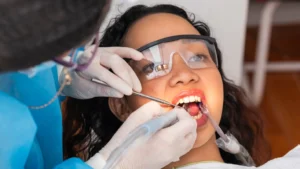
In an era of accessible online reviews, rising healthcare costs, and general patient skepticism, trust has become a key asset for any practice. Without it, patient retention declines, treatment plan acceptance drops, and clinic profitability suffers.
Low trust levels — economic and clinical consequences
A significant proportion of patients distrust dentists, manifesting as irregular visits, refusal of recommended interventions, and seeking second opinions. Delayed care and treatment refusal increase the risk of caries progression, periapical complications, and the need for more invasive therapies (extensive prosthetic work, endodontic treatment, surgical interventions), directly impacting clinical outcomes and practice economics.
Key factors undermining trust
Unclear clinical communication — using professional terminology without visualization and verification of understanding (teach-back).
Lack of financial transparency — unexpected bills, absence of clear breakdowns of insurance coverage, and alternative treatment plans.
Organizational issues — long wait times, rushed appointments, lack of personalized approach from staff.
Practical steps to restore and strengthen trust
1. Enhancing clinical communication
Implement protocols for explaining diagnoses and treatment plans using visual aids: intraoral photos, annotated panoramic/targeted radiographs highlighting areas of concern, and dental charts. Apply the teach-back method — ask the patient to repeat the essence of the plan and expected treatment stages in their own words.
2. Cost and insurance coverage transparency
Establish a standardized workflow for financial counseling: provide upfront cost estimates with options (conservative vs. restorative vs. prosthetic solutions), a detailed breakdown of insurance coverage, and clear outlines of patient out-of-pocket expenses. Utilize scripts for administrative staff and standardized consent forms.
3. Appointment optimization and client experience
Reduce both actual and perceived wait times through efficient scheduling, proactive delay notifications, and adequate appointment time allocation. Train assistants/administrators in empathetic communication skills—this enhances the perceived quality of the visit.
4. Integration of digital tools (practical recommendations)
Use Pearl AI for automated annotation and visualization of radiographs and related findings; show patients a color-coded problem map on a digital dental chart to enhance understanding of treatment indications.
Integrate CarePay+ and Real-time Eligibility solutions to verify coverage in real time, ensuring patients have clarity on expected payouts and available financing options during the planning stage.
Automate administrative tasks (prescriptions, approvals, scheduling) and optimize appointment workflows using DoseSpot and Bola AI to free up additional time for clinical communication and enhance the quality of examinations.
Implementation in clinical practice: action templates
First visit clinical protocol
Medical history and risk assessment (PAR-Q, comorbidities, medications).
Visualization: intraoral photos + bitewing/panoramic radiography with annotation (using Pearl AI if available).
Explanation of diagnosis and treatment alternatives using teach-back; presentation of costs and insurance coverage.
Documented consent and follow-up action plan with dates and estimated costs.
Monitoring and improving trust metrics
Implement short post-visit surveys (NPS, questions about understanding of received information and satisfaction with communication). Analyze reasons for treatment refusal and financial barriers — this will allow for adjustments to business processes and clinical algorithms.
Expert commentary
As professionals, dentists must combine clinical competence with interpersonal communication skills and systematic practice organization. Involving patients in shared decision-making, ensuring financial transparency, and utilizing available digital tools enhance engagement and reduce the risk of complications requiring more costly interventions. When selecting technologies, evaluate not only functionality but also integration with your clinical system (EHR/PM), impact on workflow, and compliance with privacy requirements.
Findings
Patient trust directly influences treatment plan acceptance, loyalty, and referrals. Consistent improvements in communication, financial transparency, and appointment optimization lead to increased engagement, reduced refusal rates, and, consequently, enhanced clinical and economic performance of the practice.
Modern dentistry is developing as one of the most dynamic areas of medicine, intensively implementing digital and organizational innovations. Emotional
We use cookies to improve website performance, analyze traffic, and personalize content. You can accept all cookies or customize their use. Learn more in our Cookie Policy.
Functional
Always active
Technical storage or access is strictly necessary for the legitimate purpose of making possible the use of a particular service expressly requested by the subscriber or user, or solely for the purpose of carrying out the transmission of a message over an electronic communications network.
Preferences
The technical storage or access is necessary for the legitimate purpose of storing preferences that are not requested by the subscriber or user.
Statistics
Technical storage or access used solely for statistical purposes.The technical storage or access that is used exclusively for anonymous statistical purposes. Without a subpoena, voluntary compliance on the part of your Internet Service Provider, or additional records from a third party, information stored or retrieved for this purpose alone cannot usually be used to identify you.
Marketing
Technical storage or access is necessary to create user profiles for the purpose of sending advertising or to track a user across a website or multiple websites for similar marketing purposes.