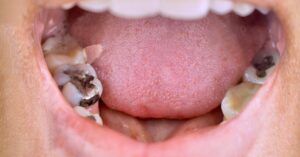
The presented information concludes that implementing modern restorative solutions, including the OMNICHROMA system (Tokuyama Dental America), is advisable for improving the quality of treatment for patients with tooth wear and hard tissue loss.
Clinical significance
The use of modern single-layer and universal restorative materials can improve the effectiveness of defect restoration, reduce appointment time, and simplify shade matching in the conservative treatment of non-carious defects (including Class V), incisal edge wear, and contact surfaces.
- Aesthetic optimization: Systems like OMNICHROMA utilize optical mechanisms to blend with surrounding tissues, reducing the number of shades required in the clinician’s inventory.
- Workflow rationalization: fewer shade selection errors, reduced inventory stock, accelerated clinical protocol.
- Tissue preservation: the use of adhesive techniques and composite restorations enables more conservative restoration in cases of wear.

Practice Recommendations
Clinicians may consider incorporating such materials into their therapeutic arsenal for restoring defects caused by wear, provided there is an individual assessment of the clinical situation and adherence to an adequate adhesive protocol.
Indications
- Small to moderate non-carious cervical lesions (Class V).
- Conservative restoration of lost incisal edge thickness and contact surfaces with moderate wear.
- Aesthetic restorations in the anterior and posterior regions in the absence of severe discoloration.
Contraindications and limitations
- Large defects requiring a multilayer technique to replicate the optical properties of dentin and enamel—in such cases, a multi-component layered restoration is advisable.
- Сильная дисколорация тканей, патологическая окклюзия с высокой степенью нагрузки — требуется комплексный подход, включая коррекцию окклюзии и возможно препарирование под виниры/коронки.
- Limitations in transparency and optical characteristics of single-layer systems in specific clinical situations.
Practical Guide to Using OMNICHROMA for Tooth Wear
The following are general clinical recommendations; the final protocol should be based on the manufacturer’s instructions and your own clinical experience.
- Isolation: the use of a rubber dam is preferred to prevent contamination from saliva and blood.
- Surface preparation: minimally invasive preparation, removal of demineralized/fractured edges, if necessary—creating retention using conservative methods.
- Adhesive protocol: use a reliable adhesive system; consider selective enamel etching to enhance bond strength when a significant amount of enamel is present.
- Composite application: when using single-layer universal composites, follow the recommendations for layer thickness, light curing, and post-curing handling.
- Finishing and polishing: high-quality treatment of contact points, using finishing instruments and polishing systems to achieve a smooth and durable surface.
- Monitoring: scheduled follow-up examinations to assess marginal adaptation, wear, and polishing stability.
Expert commentary
Integrating single-layer universal materials like OMNICHROMA into practice is justified when aiming to simplify protocols and save time without significant loss of quality in indicated cases. However, the decision must consider:
- the degree and nature of the wear (abrasion, attrition, erosion),
- the occlusal situation and the need for occlusal correction,
- the patient’s aesthetic demands and the degree of discoloration.
Conclusion
Modern restorative options, including OMNICHROMA, can be a useful tool in treating patients with tooth wear, provided there is proper case selection, adequate adhesion, and adherence to clinical protocols. The use of these materials should be complemented by a comprehensive assessment of the cause of wear and long-term management planning.