
Ai chatbots aid endodontics exam prep
AI chatbots evaluated as adjuncts for endodontic education in simulated oral-board format Introduction / background A study reported in the
Main » Scientific articles » Microbiome of the oral cavity and breast cancer: new study reveals potential role of bacteria in the development of oncological diseases
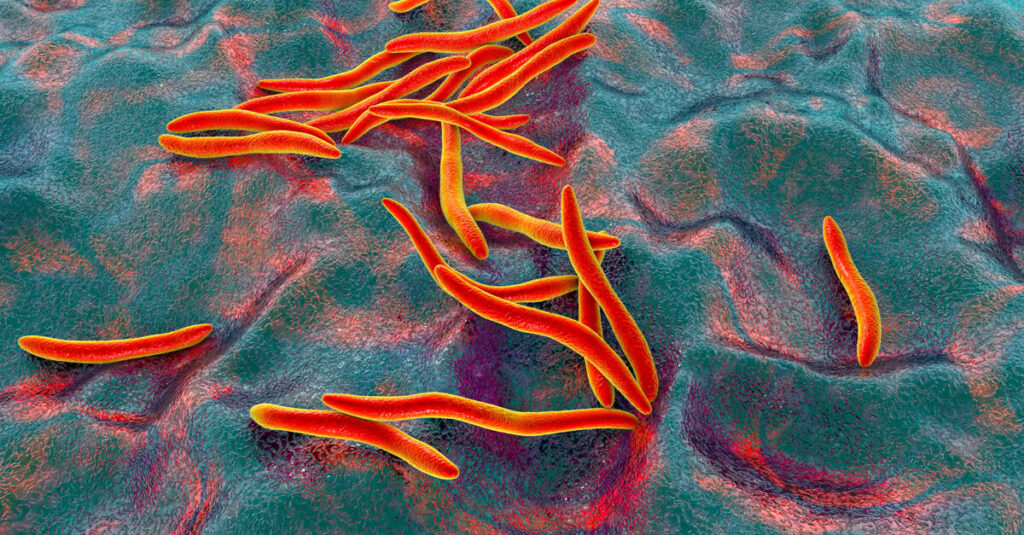
For many decades, dentistry was viewed primarily as a separate field of medicine, focused on the treatment of teeth, periodontal tissues, and oral diseases. However, modern scientific research increasingly demonstrates that the state of the oral microbiome affects the entire body, participating in complex systemic processes associated with inflammation, immune response, and the development of chronic diseases. In recent years, researchers have paid special attention to the possible link between oral bacteria and oncological pathologies.
The relevance of this topic is driven by the rapidly growing interest in the microbiome as a risk factor for various diseases. If previously scientists’ attention was focused mainly on the role of bacteria in the development of caries and periodontal diseases, today it is becoming obvious that some microorganisms can influence processes far beyond the oral cavity. A new study conducted by specialists at the Sidney Kimmel Cancer Center at Johns Hopkins University has identified a potential link between one common oral bacterium and the development of breast cancer. These results open a new direction in understanding the mechanisms of carcinogenesis and once again underscore the importance of preventing dental diseases.
The focus of the study was the bacterium Fusobacterium nucleatum — a microorganism well known to dentists as one of the key participants in inflammatory periodontal diseases. Previously, this microorganism had already been linked to the development of colorectal cancer and some other oncological diseases, but its role in breast pathology remained insufficiently studied until now.
The researchers discovered that Fusobacterium nucleatum is able to enter the bloodstream and reach breast tissue, where it creates conditions for the development of pathological processes. Of particular interest was the fact that the bacterium was identified directly in breast tumor tissues, and its concentration correlated with the level of this microorganism in the oral cavity of the same patients. Such results suggest the existence of a biological link between the state of the oral microbiome and the development of tumor processes in other organs. According to the study leader, Professor Dipali Sharma, these observations are a continuation of numerous epidemiological studies in which periodontal disease was associated with an increased risk of breast cancer. However, the current work has for the first time made it possible to approach an understanding of the possible molecular mechanisms of such a link.
One of the most significant results of the study was the identification of Fusobacterium nucleatum’s ability to initiate DNA damage in breast cells. In laboratory models, the bacterium caused pronounced disturbances in genetic material and activated DNA repair mechanisms, which themselves can be accompanied by errors and contribute to the accumulation of mutations. Furthermore, exposure to the bacterium was accompanied by increased processes of cell migration and invasion — characteristics closely associated with tumor aggressiveness and its ability to metastasize. The studied cells also showed signs of increased resistance to therapy and the acquisition of properties characteristic of cancer stem cells, which play an important role in disease progression and the formation of relapses.
Experiments on animals showed even more alarming results. In healthy mice, exposure to the bacterium led to the development of breast tissue hyperplasia, while in animals with existing tumors, accelerated tumor growth and increased spread of cancer cells to the lungs were noted. These data indicate that the microorganism can participate both in the initiation of the pathological process and in its further progression.
The researchers paid special attention to patients with mutations in the BRCA1 gene, which plays a key role in DNA repair mechanisms and has long been considered one of the most important factors in hereditary predisposition to breast cancer. It turned out that cells with BRCA1 mutations have increased susceptibility to the effects of Fusobacterium nucleatum. The scientists found that such cells contain a greater number of specific surface molecules that facilitate the attachment and penetration of the bacterium into the cell. As a result, the microorganism remains in the tissues longer and causes more pronounced DNA damage.
This result is especially important from the perspective of personalized medicine. It indicates the possibility of an interaction between genetic risk factors and the characteristics of the microbiome. In other words, the bacterium can act as a kind of external factor that enhances the effect of an existing genetic predisposition.
The obtained data fit into a broader scientific context related to the study of the role of the microbiome in carcinogenesis. Today, a growing number of studies confirm that certain bacterial communities can participate in the development of various types of cancer through mechanisms of chronic inflammation, immune dysregulation, and damage to genetic material.
Interestingly, the scientific community is actively discussing these results outside the academic environment as well. In professional and popular science discussions, the idea that oral health should be considered an important component of overall body health is increasingly emphasized. Many specialists note that the accumulation of such data is gradually changing the traditional view of dentistry as a discipline existing separately from systemic medicine. At the same time, researchers emphasize that the identified link does not yet mean direct proof that periodontal disease causes breast cancer. We are talking about preliminary data obtained in laboratory and preclinical models, which require further confirmation in large clinical studies.
Despite the need for further research, the results obtained already have important practical significance. They once again emphasize the need for timely diagnosis and treatment of periodontal diseases, as well as maintaining a stable microbiological balance in the oral cavity. Modern medicine increasingly views prevention as one of the most effective tools for combating chronic diseases. If further research confirms the role of oral bacteria in the development of oncological processes, dental care may gain additional significance as an element of comprehensive cancer prevention. Furthermore, the results of the work open up prospects for the development of new diagnostic approaches. In the future, analysis of the composition of the oral microbiome may become part of assessing the individual risk of developing certain diseases, especially in patients with a hereditary predisposition to oncological pathologies.
The study on the influence of Fusobacterium nucleatum on the development of breast cancer demonstrates a rapid expansion of understanding of the role of the microbiome in human health. The obtained data indicate that oral bacteria can participate in complex mechanisms of carcinogenesis, contributing to DNA damage, accelerating tumor growth, and the development of the metastatic process.
Especially significant is the discovery of the enhanced effect of the bacterium on cells with BRCA1 mutations, which underscores the importance of studying the interaction between genetic and microbiological risk factors. These results are shaping a new scientific paradigm in which oral health is considered an important element of the body’s systemic health. The relevance of this topic extends far beyond dentistry. It touches on issues of cancer prevention, personalized medicine, and interdisciplinary interaction between various areas of healthcare. As new data accumulates, it becomes increasingly clear that understanding the role of the microbiome can significantly change approaches to the diagnosis, prevention, and treatment of many diseases in the future.
AI chatbots evaluated as adjuncts for endodontic education in simulated oral-board format Introduction / background A study reported in the

Modern medicine, including dentistry and nephrology, is undergoing a phase of transformation that requires a unified clinical and educational ecosystem


OTEXE.COM uses cookies to personalize the services and improve the usability of the site. If you do not want to use cookies, please disable them in your browser settings.
We use cookies to improve website performance, analyze traffic, and personalize content. You can accept all cookies or customize their use. Learn more in our Cookie Policy.