
The International Dental Congress FDI (FDIWDC26) will take place at a critical moment for the development of the profession. As countries integrate oral health protection into national healthcare and environmental programs, dentists face challenges that extend far beyond clinical practice.
The congress has planned two key sessions. The first is devoted to the global phased phase-out of dental amalgam (by 2034) in the context of sustainable healthcare development. The second, within the framework of the World Forum on Oral Health, will consider the determinants of dental and gum health.
Transition to Sustainable Dentistry
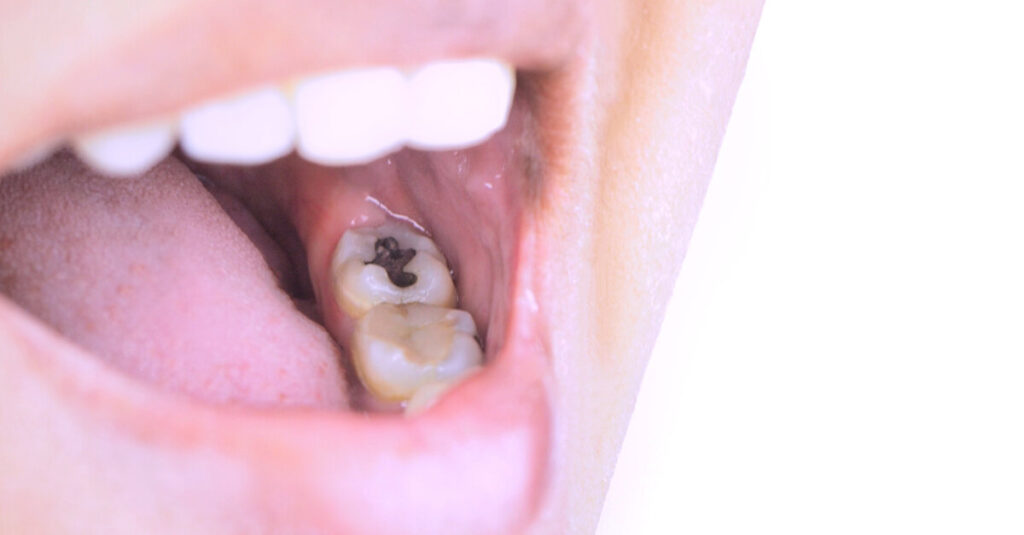
The session “Towards sustainable dentistry: Global best practices for phasing out dental amalgam by 2034” will explore the transition from mercury-containing materials in the context of international policy. This affects clinical practice, environmental responsibility, and countries’ commitments under the Minamata Convention on Mercury.
The session will present the results of an interim review of FDI Vision 2030, including data on amalgam usage trends worldwide, as well as practical examples from countries at different stages of its replacement. Particular attention will be given to minimally invasive and preventive approaches to caries treatment, recommended by WHO.
An important aspect is balancing environmental goals with equity in access to care. In many regions, practitioners are concerned that vulnerable populations receive affordable filling therapy during the transition to mercury-free alternatives.
Determinants of Oral Health
The second session “Understanding and addressing the determinants of oral health for realising Vision 2030 and UHC” will focus on factors outside the medical sphere that affect dental health.
Speakers will discuss the concept of commercial determinants of health — the influence of marketing practices, product availability, and social conditions on the prevalence of dental diseases. Special attention will be paid to risks associated with electronic nicotine delivery systems and high-sugar products distributed through traditional and digital channels.
The session will also address mechanisms for protecting policy from excessive influence by commercial interests — lessons borrowed from the experience of combating tobacco smoking and applicable to current public health challenges.
Both sessions emphasize the growing role of dentistry in the global health and sustainable development agenda.