Main » New in Dentistry » CAD/CAM Symposium 2026: role in the formation of clinico-laboratory integration and professional standardization
CAD/CAM Symposium 2026: role in the formation of clinico-laboratory integration and professional standardization
In the era of rapid digitalization modern dentistry is developing as one of the most dynamic fields of medicine, requiring constant adaptation of clinical and laboratory processes; at the same time a key factor of progress becomes not only the development of new technologies, but also the effective translation of practical protocols and educational formats aimed at the synchronization of standards between practitioners and laboratories.
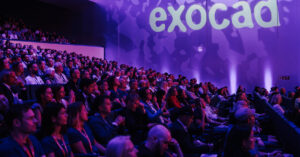
CAD/CAM Symposium 2026 is presented as a free online symposium aimed at dental technicians, laboratory owners and clinicians — the format includes five expert sessions, practical cases and analytical consideration of contemporary digital workflows, covering planning, materials science, artificial intelligence and chairside-protocols.
CAD/CAM as a key factor of digital transformation
CAD/CAM continues to shape a new paradigm of planning, designing and implementing restorations — it is not merely a set of tools, but an element of an integrated clinical-laboratory ecosystem aimed at increasing reproducibility and clinically validated predictability. The relevance of the approach is conditioned by the necessity of standardizing workflows, validating digital protocols and accelerated implementation of evidence-based methods; combining digital planning and navigation in complex reconstructions increases the safety and reproducibility of interventions, which is critical when restoring functional occlusion and esthetics.
Educational ecosystem: structure and content
The symposium program is structured around five thematic sessions and is focused on clinical planning, laboratory efficiency, the use of artificial intelligence in prosthetic design, modern CAD/CAM materials and chairside-protocols — the combination of theory and practice is aimed at forming reproducible, clinically validated training algorithms. The inclusion of practical demonstrations and discussions contributes to the diffusion of best practices and the synchronization of standards between clinic and laboratory; for the dentist this means accelerated adaptation of work protocols, improved communication with the technician and a reduction in the number of remakes.
Materials and protocols: integration of science and practice
Materials science sessions discuss the selection and processing of restorative materials, including the advantages and limitations of nanoceramic hybrids and porcelain blocks, drawing attention to parameters critical for clinical success — marginal adaptation, polishing, wear resistance and compatibility with adhesive systems. Material selection is considered a strategic tool to ensure the long-term stability of restorations and the predictability of outcomes; laboratory efficiency goes beyond operational optimization and becomes a factor in improving treatment quality and patient satisfaction, which requires regulated protocols for milling, heat treatment and quality control at each stage.
Geography as a strategic platform
The symposium attracts international experts — clinicians, technicians and researchers with transnational experience in digital dentistry, which facilitates the exchange of cases from different clinical settings and accelerates the process of standardizing practices at a global level. Demonstrations include the application of digital navigation for zygomatic implants and the integration of artificial intelligence into web-oriented CAD systems — such cases illustrate an interdisciplinary approach to complex challenges and provide practical guidelines for organizing collaborative work between the surgeon, prosthodontist and technician.
Practical recommendations and expert commentary
I recommend implementing CAD/CAM algorithms sequentially: verification of intraoral scanning and scanner calibration, standardization of data transfer formats and protocols of interlink communication, validation of material-intensive parameters in laboratory conditions with subsequent clinical monitoring — critical elements to ensure quality. Expert comments emphasize the importance of organizing clinical audits, using metric indicators to assess survival and functional stability of restorations, as well as the necessity of integrating continuing education as an element of the quality system of the clinic and laboratory.
Conclusion
CAD/CAM Symposium 2026 demonstrates that modern dentistry is developing as an integrated ecosystem based on knowledge exchange, digital technologies and clinical cooperation; such international educational initiatives accelerate the adoption of innovations, contribute to standardization and form a professional culture focused on accuracy, standards and continuous development.
We use cookies to improve website performance, analyze traffic, and personalize content. You can accept all cookies or customize their use. Learn more in our Cookie Policy.
Functional
Always active
Technical storage or access is strictly necessary for the legitimate purpose of making possible the use of a particular service expressly requested by the subscriber or user, or solely for the purpose of carrying out the transmission of a message over an electronic communications network.
Preferences
The technical storage or access is necessary for the legitimate purpose of storing preferences that are not requested by the subscriber or user.
Statistics
Technical storage or access used solely for statistical purposes.The technical storage or access that is used exclusively for anonymous statistical purposes. Without a subpoena, voluntary compliance on the part of your Internet Service Provider, or additional records from a third party, information stored or retrieved for this purpose alone cannot usually be used to identify you.
Marketing
Technical storage or access is necessary to create user profiles for the purpose of sending advertising or to track a user across a website or multiple websites for similar marketing purposes.