Main » Uncategorized » Additive technologies in dentistry: standardization of processes and formation of a predictable clinical ecosystem
Additive technologies in dentistry: standardization of processes and formation of a predictable clinical ecosystem
In contemporary dentistry digital transformation is shaping new clinical and laboratory practices, integrating additive technologies into the everyday work of practitioners.
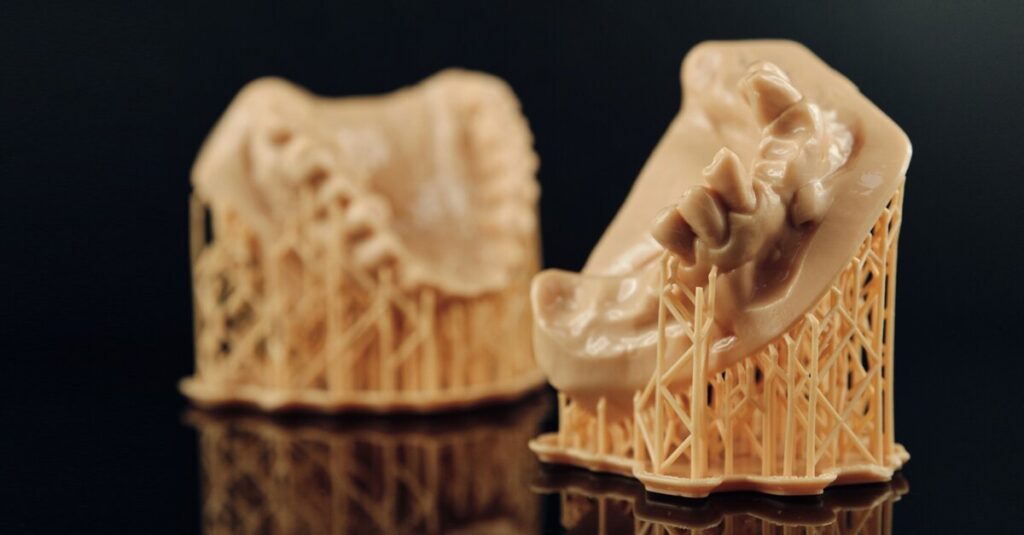
Additive manufacturing is considered not only as a means of prototyping, but also as a clinically significant technology for navigation, production of surgical guides and rapid fabrication of temporary and permanent restorations — this requires a careful approach to standardization of workflows, quality control of materials and validation of digital chains.
Additive manufacturing as a key factor
Additive manufacturing demonstrates the ability to shorten treatment time intervals due to high customization, reproducible accuracy and integration of digital data from intraoral scanning to the final restoration; clinicians and laboratories thereby critically need control of seating accuracy, minimization of micellar distortions during polymerization, optimization of orientation and print layer thickness to achieve the required mechanical strength and aesthetics.
To ensure predictability in complex clinical scenarios — including all-on-X solutions — it is necessary to implement protocols for verification of adhesion, standardized post-processing and polymerization procedures, systems for control of implant size and fit, as well as regular equipment calibration and batch validation of materials.
Educational ecosystem: structure and content
The DT Study Club symposium is built as an educational ecosystem, where lectures and clinical demonstrations are aimed at reproducible transfer of technologies into practice with an emphasis on evidence-based medicine and clinical validation.
Clinical cases and chairside workflow
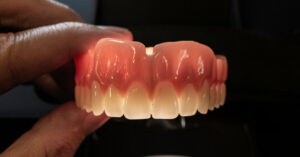
Special attention is paid to complete chairside workflows: from intraoral scanning to fabrication and delivery of a crown in a single visit using Midas 3D and Ceramic Crown HT resin; presentations focus on optimization of digital protocols, cycle time management and requirements for the material and technological support of the clinic for scalable in-house production.
Practical demonstrations and technological trends
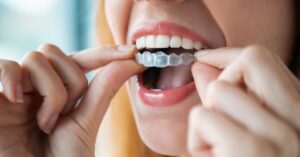
The practical program includes demonstrations by Dr Theodoros Gonidis and Dr Meni Chatzinikolaou on digital chains for aesthetic restorations, Dr Ahmad Al‑Hassiny presents a full chairside workflow, Dr Takashi Nakaya shows production of surgical guides, temporary restorations and Shape Memory Aligners, and Dr Andrew Ip reveals methods for characterization and glazing of monolithic 3D-printed restorations taking into account aesthetic and functional requirements.
Such demonstrations are important for clinical adaptation of technologies — they illustrate critical control points: exposure accuracy, polymerization profile, biocompatibility of the resins used, mechanical stability and long-term behavior of restorations under masticatory loading conditions.
Geography as a strategic platform
The online symposium format ensures transnational diffusion of knowledge and cooperation of specialists from different regions — this accelerates harmonization of protocols, allows comparison of regulatory approaches and clinical outcomes in different populations, and also contributes to collective validation of workflows and materials.
Participation is free with prior registration at dtstudyclub.com, the first session will begin at 15:00 CEST, participants can receive up to four continuing education credits — this format stimulates dissemination of reproducible workflows and increases motivation to implement standardized protocols in everyday practice.
Practical recommendations and expert comments
For clinicians and laboratories planning integration of additive technologies, key directions are: development and implementation of SOPs for scanning, design and printing, quality control of material batches and post-processing procedures, regular equipment calibration and documented validation of each type of restoration — this reduces variability and increases clinical predictability.
Expert recommendation also includes interdisciplinary team training, creation of feedback between clinic and laboratory to adjust workflows, participation in educational initiatives and performance audits, as well as critical assessment of the economic feasibility of implementing additive manufacturing taking into account the volume of clinical practice and quality requirements.
Conclusion
The DT Study Club 3D printing symposium emphasizes that modern dentistry is increasingly developing as an integrated digital ecosystem, where not only devices and materials are important, but also standardized workflows, educational programs and international clinical cooperation to ensure reproducible predictability of outcomes.
The digital orthodontics sector is rapidly integrating three‑dimensional visualization and outcome simulation into clinical workflows, shaping a new paradigm of
We use cookies to improve website performance, analyze traffic, and personalize content. You can accept all cookies or customize their use. Learn more in our Cookie Policy.
Functional
Always active
Technical storage or access is strictly necessary for the legitimate purpose of making possible the use of a particular service expressly requested by the subscriber or user, or solely for the purpose of carrying out the transmission of a message over an electronic communications network.
Preferences
The technical storage or access is necessary for the legitimate purpose of storing preferences that are not requested by the subscriber or user.
Statistics
Technical storage or access used solely for statistical purposes.The technical storage or access that is used exclusively for anonymous statistical purposes. Without a subpoena, voluntary compliance on the part of your Internet Service Provider, or additional records from a third party, information stored or retrieved for this purpose alone cannot usually be used to identify you.
Marketing
Technical storage or access is necessary to create user profiles for the purpose of sending advertising or to track a user across a website or multiple websites for similar marketing purposes.