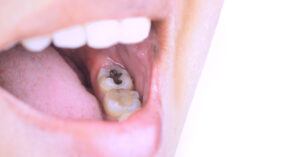
Dentistry at the Crossroads of Politics and Practice: FDI on Amalgam, Ecology, and Social Determinants of Oral Health
The International Dental Congress FDI (FDIWDC26) will take place at a critical moment for the development of the profession. As

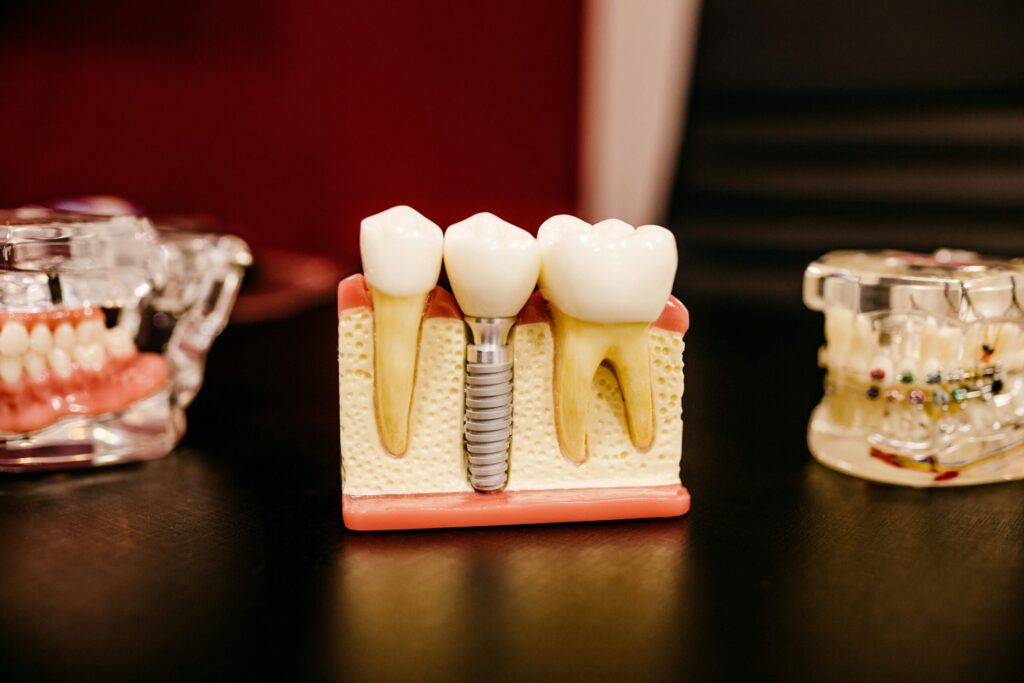
In recent decades, dental implantation has firmly established itself as one of the most in-demand methods for restoring lost teeth. However, along with the increase in the number of implants placed, the number of complications associated with their use has also grown. According to numerous clinical reviews, the most frequent and yet preventable cause of implant failure remains microbial infections, leading to the development of peri-implantitis—an inflammatory process that destroys the surrounding soft and bone tissues.
The World Health Organization and the European Federation of Periodontology provide data confirming the scale of the problem of peri-implant complications. According to meta-analyses from recent years, peri-implant mucositis—a reversible inflammation of the soft tissues around an implant—is diagnosed in approximately 43-47% of patients who have undergone dental implantation. Peri-implantitis, a more severe and progressive form of the disease involving bone tissue destruction, is detected in 20-22% of patients. In some countries, particularly those with limited access to preventive dental care, the rates reach 30-35%. This prevalence indicates the necessity for regular screening and the implementation of new methods for early diagnosis.
Against this background, methods for early, accurate, and non-invasive diagnosis of pathogenic microflora, which make it possible to identify the risk of complications even before clinical symptoms appear, are becoming particularly relevant. It is in this direction that SimplyTest, a well-known developer of salivary screening solutions, has introduced its new product—SimplyTest Oral Health-IMPLANT.
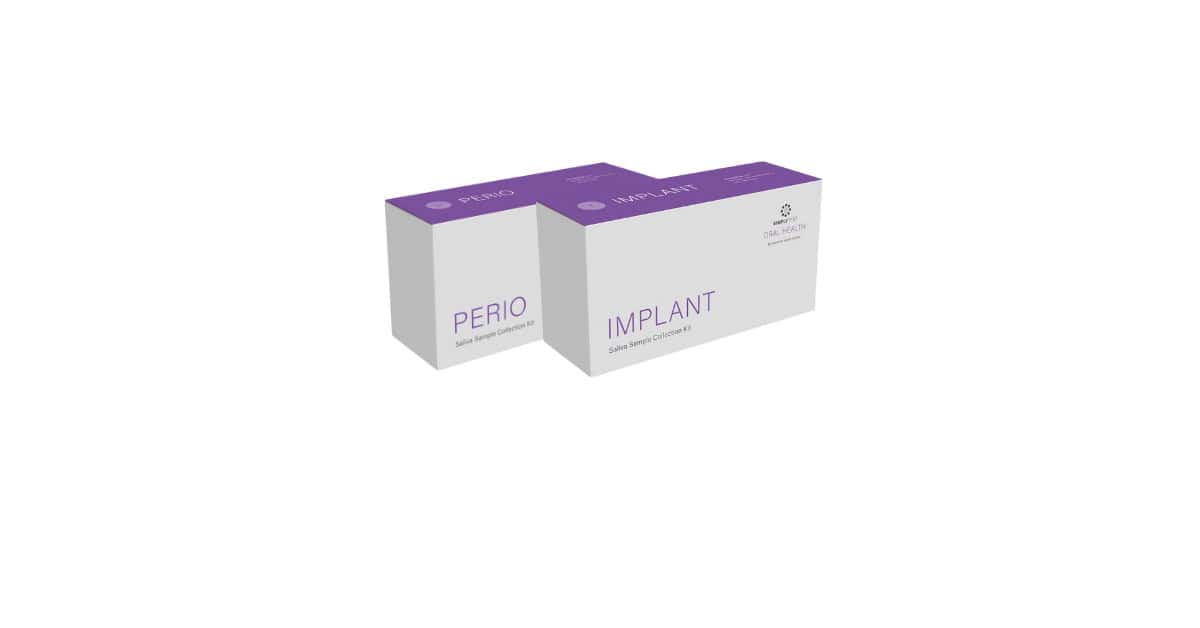
SimplyTest Oral Health-IMPLANT is a molecular diagnostic test, specifically adapted for detecting microorganisms associated with the development of peri-implant diseases and the failure of dental implants. This product expands the Oral Health line, which previously included the SimplyTest Oral Health-PERIO test, focused on diagnosing periodontal infections.
The development takes into account the conclusions of a systematic review published in the Cureus journal in 2022, which identified infection as the primary preventable cause of implant loss. The test is based on the precise identification of eight high-risk pathogens:
These microorganisms are key triggers of inflammatory processes and tissue destruction, stimulate the body’s immune response, and are often activated long before the patient develops obvious complaints and clinical symptoms.
The pathogenesis of peri-implantitis is a complex cascade of biological processes. A key role is played by the formation of a pathogenic biofilm on the surface of the implant and the surrounding soft tissues. Microorganisms such as Porphyromonas gingivalis and Treponema denticola are the primary initiators of inflammation. They secrete proteolytic enzymes (proteases, collagenases) capable of destroying connective tissue structures. Additionally, they stimulate the production of pro-inflammatory cytokines—interleukins (IL-1β, IL-6) and tumor necrosis factor-alpha (TNF-α)—which enhance inflammation and activate osteoclasts, leading to bone resorption. Since these processes can develop without noticeable symptoms for the patient, early molecular detection of the pathogen becomes critically important.
Before the advent of the SimplyTest Oral Health-IMPLANT test, the diagnosis of pathogenic microflora in dentistry relied on two main approaches:
As noted by Dr. Joel Peak, founder and chairman of the scientific advisory board of SimplyTest, “Microbial infections are one of the main causes of complications associated with implants.” The company’s new development provides dentists and surgeons with a tool that allows for a quick and painless assessment of microbial risks and the planning of preventive measures before implant loss occurs.
The SimplyTest can be performed both in a dental clinic setting (chairside method) and through patient self-collection of the sample at home. The patented saliva preservation and analysis system allows samples to be maintained in optimal condition until they reach the laboratory.
The test results are generated within 24-48 hours after the sample is received and are available through a secure online portal. The report includes a detailed description of the detected pathogens and recommendations, which helps the doctor personalize the treatment or prevention plan.
The CEO of Spectrum Health Science, Justin Hunt, emphasized that the SimplyTest Oral Health line is aimed at supporting the concept of early detection and intervention. The introduction of the IMPLANT test expands the platform’s capabilities, now encompassing not only the diagnosis of existing infections but also the preventive management of patients at the implantation planning stage.
For clinicians, this means:
One of the main motivating aspects for a patient can be the financial component of the issue. Modern research in health economics shows that the costs of treating peri-implantitis can be 5-7 times higher than the costs of its prevention. Incorporating molecular testing into the routine check-ups of patients with implants helps prevent complications, reduce the number of surgical interventions, and lower the risk of complete implant loss. For clinics, this also means a reduction in reputational and legal risks associated with patient dissatisfaction with treatment outcomes. Thus, preventive diagnostics can be justified not only from a medical but also from an economic standpoint.
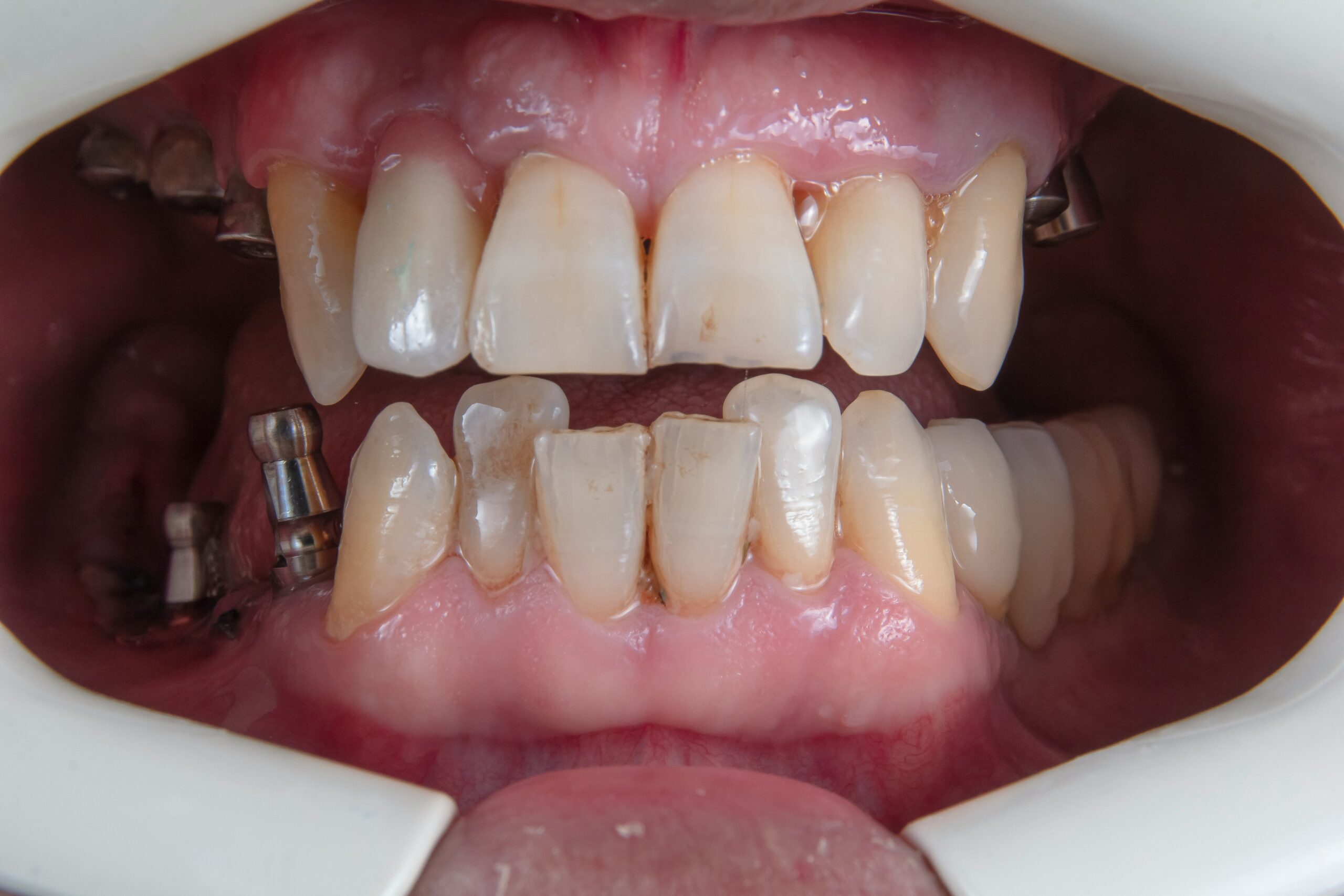
As an example of the use of this development in the practice of a dentist, the following clinical case can be considered:
A 56-year-old female patient presented for a routine check-up 8 months after implant placement. She had no complaints, and the condition of the mucosa appeared visually satisfactory. To assess the tissue condition, the doctor suggested performing the molecular test SimplyTest Oral Health-IMPLANT. The results revealed the presence of Porphyromonas gingivalis and Fusobacterium nucleatum in high concentrations. A course of antimicrobial therapy and local tissue treatment was prescribed, which prevented the development of inflammation and preserved the implant. This case demonstrates the key advantage of the test—identifying a threat even before clinical manifestation.
The emergence of tools like SimplyTest Oral Health-IMPLANT reflects a global trend in dentistry—the shift from reactive treatment of complications to a proactive and preventive approach. Molecular diagnostics of pathogenic microflora, available in the format of a convenient and rapid saliva test, can significantly reduce the risks of peri-implant diseases and increase the percentage of successful outcomes in dental implantation.
In the coming years, we can expect the integration of such molecular tests with artificial intelligence systems capable of analyzing the dynamics of a patient’s microbial profile and predicting the risk of complications. Expanding the panel of tested pathogens, including viruses and additional fungal species, will allow for an even more accurate assessment of the oral microbiological status. Furthermore, the development of “lab-on-a-chip” technologies could make the analysis rapid—providing results right in the dental chair within minutes. This will create the prerequisites for a new standard of prevention in dental implantology.
Thus, this development represents not only a technological innovation but also an important step towards the integration of modern biomedical methods into everyday clinical practice.
The International Dental Congress FDI (FDIWDC26) will take place at a critical moment for the development of the profession. As

The Straumann Group announced the appointment of Christopher Norbye as Chief Executive Officer, effective December 1. The appointment is part