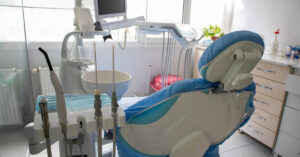
How to reduce dental practice overhead costs

Overhead costs in a dental practice are the total expenses required to run the clinic, separate from the clinician’s direct professional fees.

What are overhead costs?

Overhead costs include all operational expenses: employee salaries, facility rent, supplies, laboratory services, marketing, accounting and IT support, etc. Industry guidelines recommend a total overhead rate of approximately 60% of revenue when dentist compensation is accounted for separately; this serves as a target benchmark for evaluating practice management efficiency.

Structure of key expenses

  • Labor costs are a key expense item: salaries of assistants, administrators, hygienists, bonuses, social contributions, and payroll taxes.
  • Rent, supplies, and laboratory services—according to guidelines, each of these items should account for approximately 6–8% of revenue; for high-tech practices, laboratory and supply expenses may be higher, requiring compensation through service pricing and efficiency.
  • Marketing and accounting services—the target level is typically below 3% of revenue, with an emphasis on investing in targeted marketing and digital tools while tracking ROI.

How to reduce overhead costs

1. Increasing revenue and operational efficiency

To reduce the proportion of overhead costs, the most effective approach is to increase the denominator—revenue. Practical steps:

  • Optimizing scheduling and chair utilization (dynamic planning, reducing empty slots).
  • Developing a prevention and hygiene channel — high patient retention rate and stable revenue from maintenance visits.
  • Increasing treatment plan acceptance rates through standardized consultation and visual aids.
  • Developing referral networks and partnerships (referrals, corporate contracts).
  • Adjusting the price list to account for material costs and laboratory expenses.

2. Cost reduction and optimization

Regular expense audits help identify and minimize unjustified cost items:

  • Renegotiating lease and utility agreements; negotiating with suppliers for bulk purchase discounts and favorable terms.
  • Implementing an inventory management system and using FIFO for supplies to reduce write-offs.
  • Outsourcing non-core functions (accounting, IT, recruitment) after evaluating the cost compared to maintaining a full-time team.
  • Review and standardize clinical protocols to reduce material consumption without compromising quality.
  • Negotiate package pricing and SLAs with laboratories; assess the feasibility of establishing in-house lab capabilities for large-scale practices.

3. Technology and Digitalization

Investing in digital solutions often pays off through reduced operational costs and improved service quality:

  • Electronic health records and integrated practice management systems—reduce administrative time and improve procedural coding accuracy.
  • Digital radiography/scanners – reduce consumable costs and speed up diagnostic processes.
  • Online booking and automated reminders—fewer missed appointments, stable schedule utilization.

KPI and monitoring recommendations

Recommended key performance indicators for managing overhead costs:

  • Overhead ratio — overhead costs / revenue (%) — target benchmark ≈ 60%.
  • Cost per procedure — the cost of a specific service including materials and laboratory expenses.
  • Production per clinical hour — revenue per clinical hour.
  • Case acceptance rate and recall/retention — quality of communication and patient retention.

A monthly financial report with itemized breakdowns and trend analysis will enable prompt response to deviations.

Practical remarks

Each clinic is unique: specialized fields (e.g., implantology, aesthetics) may have different target cost and margin indicators. Balancing is key—maintaining clinical quality and patient experience while optimizing expenses. Cost-cutting decisions must align with infection control standards and regulatory requirements.

Inference

Monitoring and a structured approach to managing overhead costs increases operational profitability and provides the clinician with more resources for clinical growth. Regular audits, implementing KPIs, negotiating with suppliers, and targeted technology investments are key management tools.

Leave a Reply

Your email address will not be published. Required fields are marked *

Other news

Subscription to thousands of useful articles, 600 lessons, reviews & ratings

Subscribe to the newsletter

More news in our Telegram!

Congratulations!
You have successfully registered