Main » Uncategorized » Shape Memory Aligner: 40 steps of planning and transformation of reproducible orthodontic protocols
Shape Memory Aligner: 40 steps of planning and transformation of reproducible orthodontic protocols
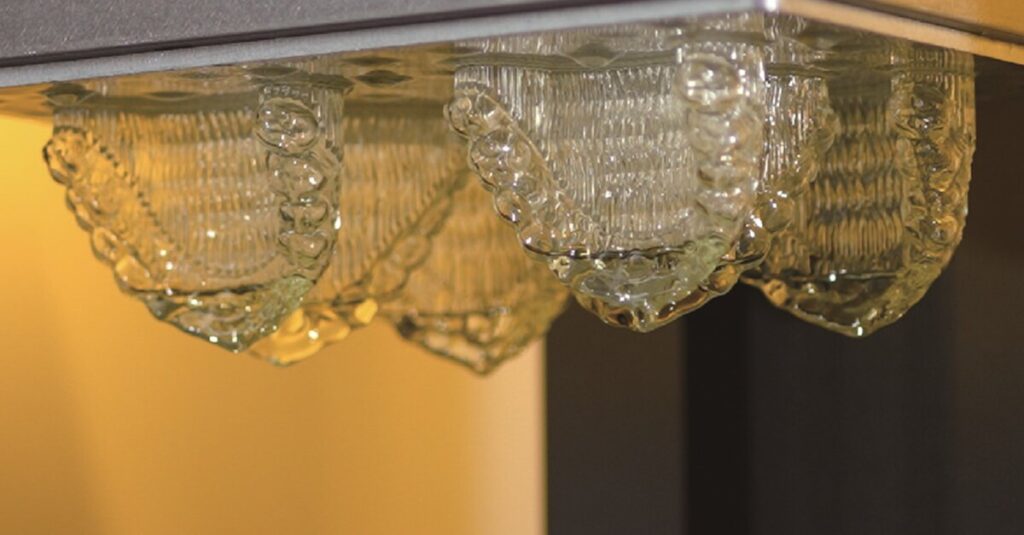
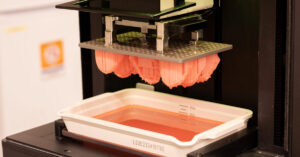
In contemporary orthodontics, focused on patient comfort and the digitization of workflows, there is an intensive transformation of treatment methods through the use of direct 3D‑printing, contributing to the shift toward clinically reproducible protocols.
Introduction
The main challenge lies in overcoming the limitations of thermoformed technology — uneven plastic thickness, loss of adaptation, the need for numerous composite attachments — factors that slow the integration of effective therapy and reduce the reproducibility of results; in this context Shape Memory Aligner, developed by Graphy and possessing a shape‑memory effect, is positioned as a component of the digital ecosystem that provides a predictable orthodontic outcome without the mass use of bonded attachments.
Technology as a key factor
Materials with a shape‑memory effect are becoming a critical link in the digital protocol, since they are capable of generating a stable, gentle, and continuous force in the oral cavity, comparable in functional effect to a nickel‑titanium coil; in particular, TA‑28 demonstrates thermally‑activated behavior, allowing acceleration of linear tooth movements while simultaneously reducing peak loads and the risk of unwanted lateral effects.
Clinical implications and expert commentary
Control of the aligner thickness and the presence of a direct 2 mm edge act as an active mechanical element — they increase control of the moment of force, affect root torsion and the angular position of crowns, which in a number of clinical situations reduces the need for composite attachments; from a clinical point of view this allows more predictable management of the anterior reference during retraction and gap closure, but requires precision in digital planning and strict adherence to the wear regimen.
Design and manufacturing: structure and content
The workflow is based on a full digital stream — intraoral scanning is exported to STL, then segmentation, staging and design are performed in specialized software (DirectAlignerDesigner) with step movement parameters up to 0,3 мм and angular correction of no more than 3 degrees, which ensures high accuracy and reproducibility of plans; functional flexibility allows setting the overall aligner thickness and local modifications up to the printing stage, integrating control of the moment of force through the constructive edge.
Production protocol and validation
Key production steps include centrifugation for 6 minutes to remove residual resin, post‑polymerization under nitrogen, thermal testing at 100 °C and ultrasonic cleaning at 80 °C — the combination of these operations ensures stability of the polymer matrix and clinically confirmed reproducibility of mechanical properties; validation of the protocol should include thickness control, adhesion testing in contact zones and dynamic force testing at physiological temperature.
Clinical case: analysis and outcome
A 28‑year‑old female patient presented with anterior diastemas and a crossbite, the total space in the maxilla was 6 mm, in the mandible approximately 10 mm, with a Bolton‑coefficient of the anterior teeth of 83% (deficit of the upper teeth ≈2 mm) and a skeletal pattern with ANB −2,8° — the clinical task required focused movement of the anterior units while preserving posterior support; the plan consisted of an initial phase of 28 steps and an overall plan of 40 steps, each aligner prescribed for 7 days with wear of not less than 20 hours per day, which is synchronized with the physico‑chemical characteristics of TA‑28 and provides predictable gap closure without composite inserts.
Results and observations
During treatment, even approximation of contact points was recorded, control of the vertical dimension and preservation of occlusal predictability during anterior retraction; the reduction in the number of bonded attachments facilitated hygiene and reduced appointment time, while control of root position required periodic radiographic monitoring and, if necessary, adjustment of the staging scenario in the digital planner.
Comparison and clinical significance
Compared with thermoformed PETG aligners, direct 3D‑printed Shape Memory Aligner provide uniform thickness and better adaptation in areas without block‑out, which increases production standardization and clinical reproducibility; an additional clinical effect — reduction of peak load while maintaining the necessary orthodontic force — reduces the likelihood of undesirable undesirable lateral displacements, maintains control of cortical pressure and contributes to safer retraction of anterior teeth.
Conclusion‑summary
Shape Memory Aligner demonstrates the potential to transform orthodontic practice as part of an integrated digital system, where the combination of precise digital planning, printed SMA materials and standardized production protocols provides predictable and reproducible clinical results; for clinicians this means the need to adapt the workflow, implement validation procedures and closely monitor the biomechanics of movements.
Relevance and professional culture
The adoption of direct 3D‑printing and materials with a shape‑memory effect is relevant in terms of accelerating innovation, improving the quality of medical care and reducing the environmental footprint — phased delivery of aligners reduces the number of simultaneously produced items and facilitates оперативное корректирование плана; at the same time the key requirements are interdisciplinary integration, protocol standardization and accumulation of clinical data to confirm long‑term efficacy and safety.
Digitalization and additive technologies are radically transforming the dental industry, forming new production and clinical development paradigms. The key challenge
We use cookies to improve website performance, analyze traffic, and personalize content. You can accept all cookies or customize their use. Learn more in our Cookie Policy.
Functional
Always active
Technical storage or access is strictly necessary for the legitimate purpose of making possible the use of a particular service expressly requested by the subscriber or user, or solely for the purpose of carrying out the transmission of a message over an electronic communications network.
Preferences
The technical storage or access is necessary for the legitimate purpose of storing preferences that are not requested by the subscriber or user.
Statistics
Technical storage or access used solely for statistical purposes.The technical storage or access that is used exclusively for anonymous statistical purposes. Without a subpoena, voluntary compliance on the part of your Internet Service Provider, or additional records from a third party, information stored or retrieved for this purpose alone cannot usually be used to identify you.
Marketing
Technical storage or access is necessary to create user profiles for the purpose of sending advertising or to track a user across a website or multiple websites for similar marketing purposes.