Main » Uncategorized » Bioengineered chewing gum: selective modulation of the microbiome and formation of a new paradigm of prophylactic dentistry
Bioengineered chewing gum: selective modulation of the microbiome and formation of a new paradigm of prophylactic dentistry
Modern dentistry and microbiome research seek to understand the role of microbial communities in oncogenesis, shaping new interdisciplinary approaches to prevention.
In the context of increased incidence and complex etiology, the key task remains the reduction of local microbial risk factors that contribute to the progression of squamous cell carcinomas of the head and neck. In this context, the attention of clinical and scientific dentistry is directed towards selective modulation of the oral microbiome, development of local formulations with minimal impact on the commensal ecosystem, and creation of reproducible algorithms for assessing efficacy and safety.
Bioengineered chewing gum as a tool
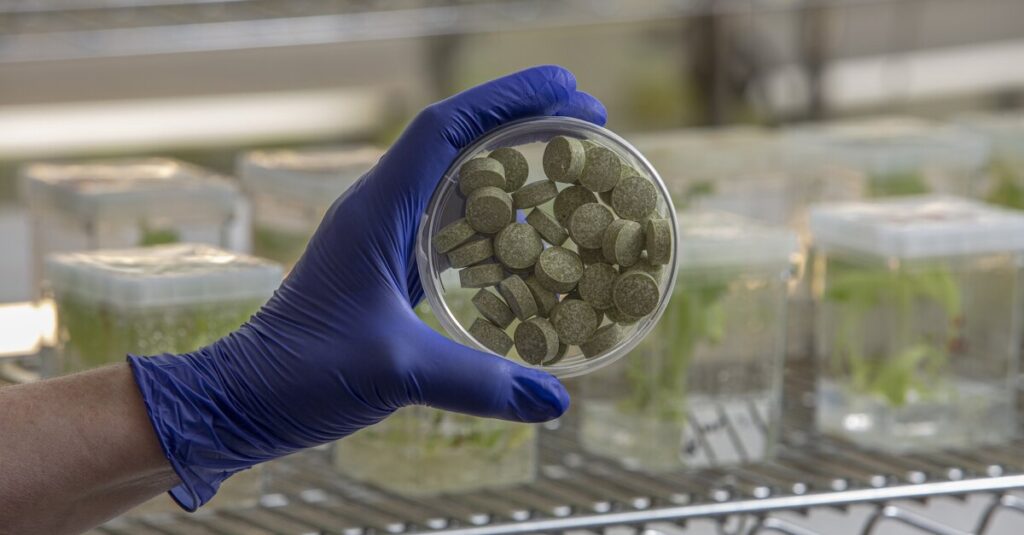
The research team of the Penn School of Dental Medicine presented a bioengineered plant-based chewing gum containing a protein from lablab beans capable of binding viral particles and preventing their cellular invasion, as well as an antimicrobial peptide for selective reduction of pathogens — in experimental ex vivo models of saliva and oral rinses more than 99% reductions in concentrations of Porphyromonas gingivalis and Fusobacterium nucleatum were shown with minimal effects on selected nonpathogenic species.
Mechanism of action and pharmacotechnics
The mechanisms imply a combined effect: binding of viruses by the plant-derived protein — reduction of virus‑cell adhesion and potential decrease of virus-associated inflammation, and local action of the antimicrobial peptide on key oncogenic bacterial markers; the gum form factor provides mucoadhesion and facilitates maintenance of therapeutic concentration in the oral cavity, which is important for impacting biofilms and intermicrobial interactions in the microbiome.
Clinical results and limitations of ex vivo
Ex vivo data demonstrate the selectivity of the antimicrobial effect and the potential to reduce microbial risk factors for HNSCC, however the model does not fully reproduce tissue immunity, saliva dynamics, mechanical factors and the structure of mature biofilm in vivo; thus, translation of the results to the clinic requires confirmation in prospective studies with appropriate clinical and molecular endpoints.
Validation and regulatory navigation: clinical and registration perspective
To move from laboratory observations to clinical application, sequential validation is required: preclinical toxicology and biocompatibility assessment, pharmacokinetics of local exposure, immunogenicity of the plant protein and assessment of the risk of allergic reactions in patients sensitized to legumes; in the US regulatory field the product may be considered as a combination product or a biological product, which requires early interaction with the regulator to determine the optimal registration pathway and the scope of supporting data.
Clinical trials should be multicenter, randomized and include representative patient cohorts — patients with precancerous leukoplakias, individuals at high risk (smoking, chronic periodontitis, HPV-association), as well as assessment of multiple outcomes — changes in microbiome composition (metagenomics), markers of inflammation and proliferation, progression of dysplasia, sensory and local adverse effects; long-term follow-up is necessary to assess the durability of microbial transformation and possible compensatory shifts in the ecosystem.
Clinical integration and educational initiatives
Integration of such a product into the dentist’s daily practice should be based on clear screening and patient selection protocols, regulations for use as an adjunctive preventive measure, monitoring of effectiveness and adverse effects — standardized methods of sample collection, sequence of laboratory processing and interpretation of microbiological and molecular results are important in dental practice; digital tools and patient registries will help track outcomes and provide clinical verification.
From an educational perspective, transnational initiatives are needed to train dentists and related specialists in principles of interpreting microbiome data, recommendations for the use of local antimicrobial agents and algorithms for interaction with oncologists and infectious disease specialists — this will help form a new professional culture focused on interdisciplinarity, standardization and evidence-based practice.
In conclusion, the presented ex vivo data confirm the promise of the bioengineered chewing gum as a selective tool for modulation of the oral microbiome with a potential role in prevention of HNSCC, but clinical implementation requires thorough preclinical preparation, multi-stage clinical trials, regulatory coordination and systematic educational support for the dental community.
We use cookies to improve website performance, analyze traffic, and personalize content. You can accept all cookies or customize their use. Learn more in our Cookie Policy.
Functional
Always active
Technical storage or access is strictly necessary for the legitimate purpose of making possible the use of a particular service expressly requested by the subscriber or user, or solely for the purpose of carrying out the transmission of a message over an electronic communications network.
Preferences
The technical storage or access is necessary for the legitimate purpose of storing preferences that are not requested by the subscriber or user.
Statistics
Technical storage or access used solely for statistical purposes.The technical storage or access that is used exclusively for anonymous statistical purposes. Without a subpoena, voluntary compliance on the part of your Internet Service Provider, or additional records from a third party, information stored or retrieved for this purpose alone cannot usually be used to identify you.
Marketing
Technical storage or access is necessary to create user profiles for the purpose of sending advertising or to track a user across a website or multiple websites for similar marketing purposes.